Why Choose Fotona 4D Laser Facial (TimeWalker) for Anti-Aging?
Aging rarely shows up in just one way. One patient notices the early softening of the jawline. Another is bothered by etched lines around the mouth. Someone else still looks rested in the morning but feels their skin has lost bounce, brightness, and that taut quality that makeup never quite restores. That is part of the reason so many anti-aging treatments disappoint. They target one layer, one concern, or one moment in the aging process.
The appeal of the Fotona 4D Laser Facial (TimeWalker) is that it approaches aging as a layered problem. Rather than relying on a single laser pass or one superficial resurfacing step, it combines several modes of treatment to address texture, tone, laxity, and volume support in a more integrated way. For the right patient, that matters. Skin aging is not simply a surface issue. It involves collagen decline, gradual thinning, reduced elasticity, repetitive movement, and changes in the deeper support structures of the face.
That broader view is what has made Fotona 4D stand out in clinics that focus on non-surgical rejuvenation. It occupies a useful middle ground. It is more substantial than a light lunchtime facial, yet it does not carry the social downtime, peeling, or procedural intensity of more aggressive ablative resurfacing. For many adults who want visible anti-aging results without stepping into surgery, that balance is exactly the point.
What the Fotona 4D Laser Facial (TimeWalker) actually is
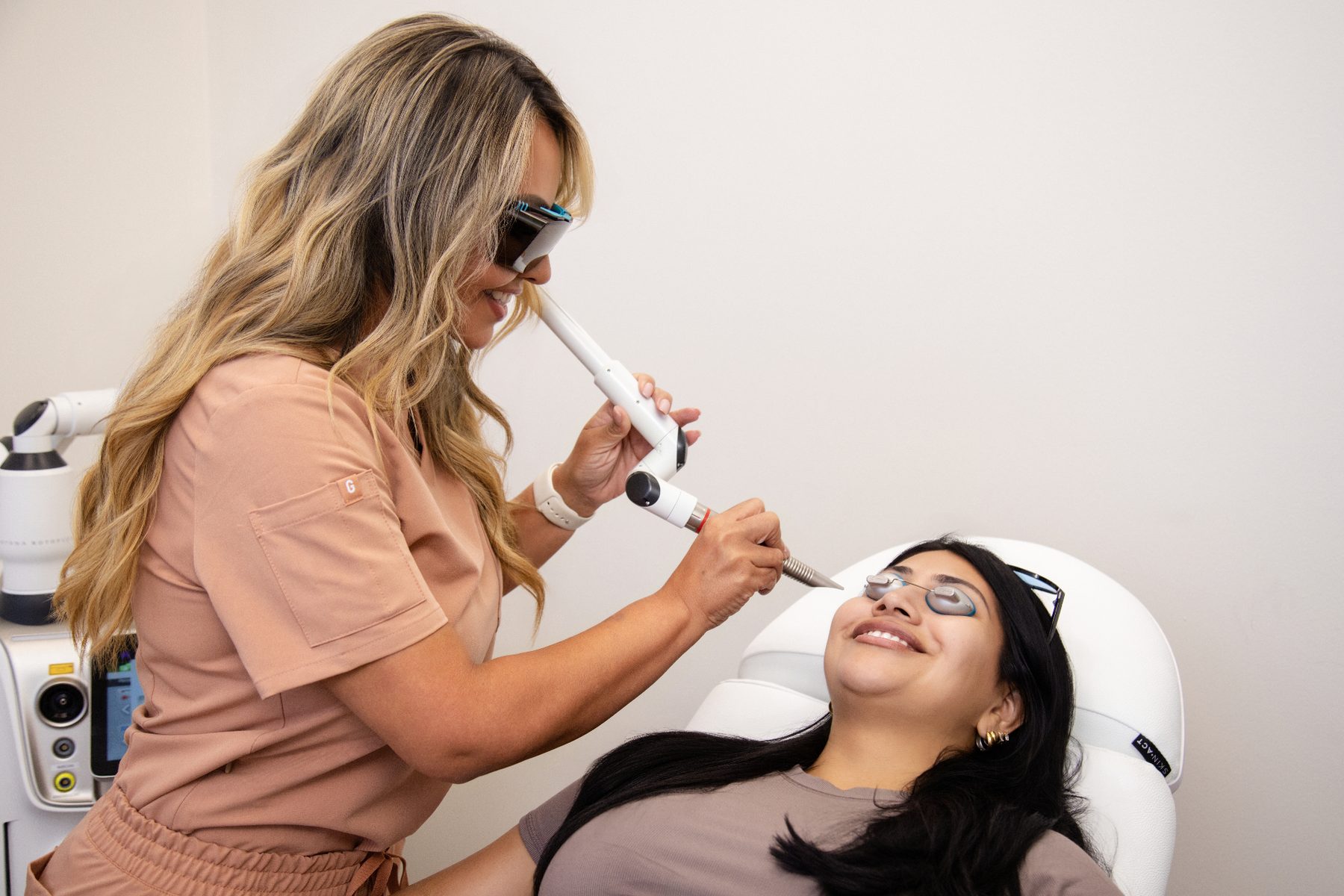
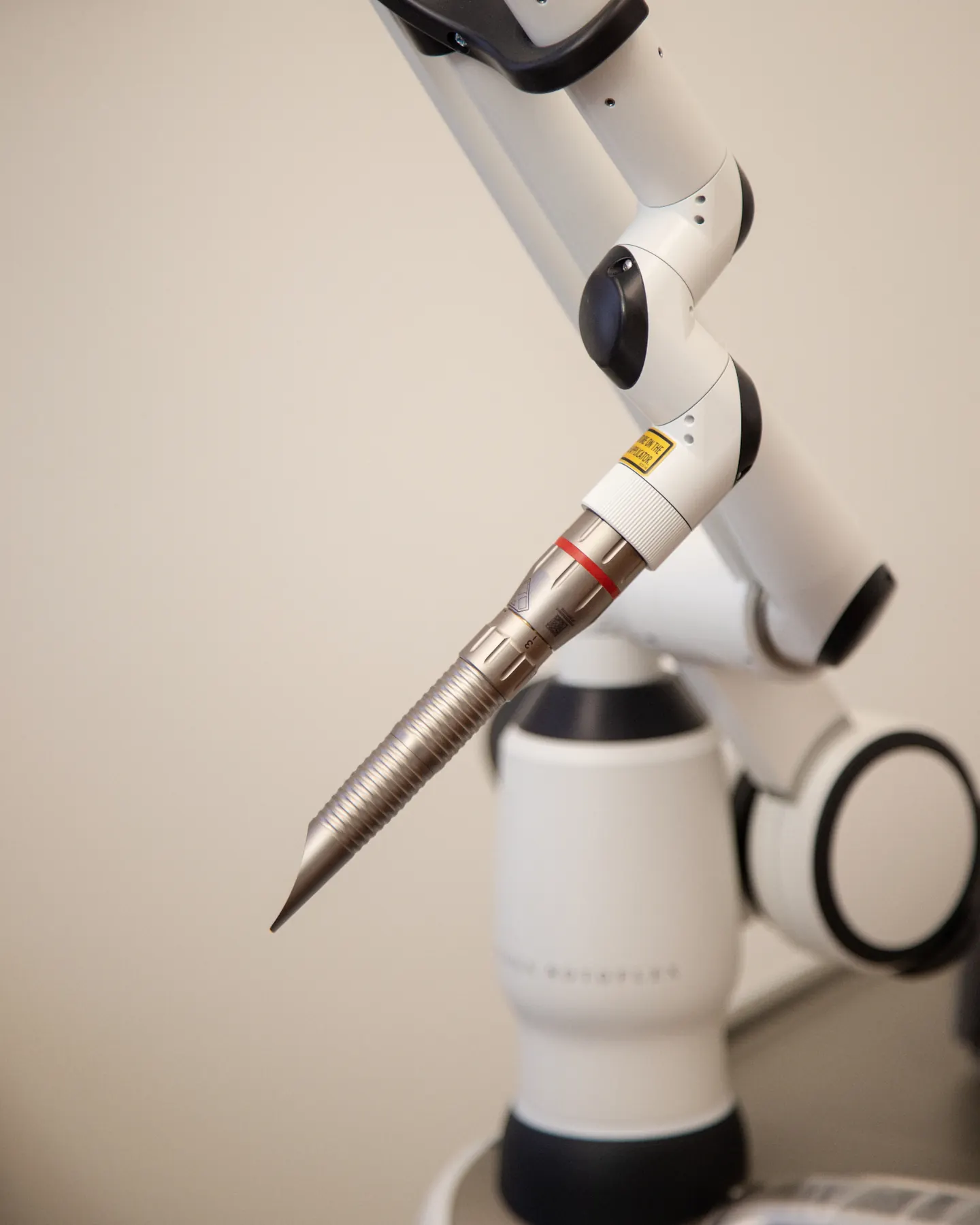
Despite the word facial, this is not a spa treatment with a high-tech name. Fotona 4D is a physician-led laser protocol that uses two wavelengths, commonly Er:YAG and Nd:YAG, delivered in a sequence designed to stimulate collagen remodeling and improve skin quality from both inside and outside the mouth and face.
The term 4D refers to four treatment modes layered into one session. The exact settings vary by clinic and patient, but the concept remains the same: treat different tissue depths for a cumulative rejuvenating effect. One of the distinct features is the intraoral component, where energy is delivered from inside the mouth to target the tissues around the nasolabial folds and perioral area. That sounds unusual the first time you hear it, but it is one of the reasons the treatment has a reputation for improving the mid and lower face without injectables or surgery.
In practice, experienced providers often use it for patients with early to moderate signs of aging who want firmer skin, softer lines, improved radiance, and a more refreshed look that still feels like their own face.
Why it fits anti-aging so well
Most anti-aging treatments fall into one of two camps. They either improve the surface or they tighten deeper tissues. Surface-focused treatments can brighten dull skin, reduce fine textural irregularities, and help with pigmentation, but they may not do much for mild sagging. Deep-heating devices can improve laxity, but if the skin looks rough, crepey, or uneven, tightening alone will not create a youthful result.
The Fotona 4D Laser Facial (TimeWalker) works well for anti-aging because it does not force that trade-off in the same way. It combines internal tightening, fractional treatment, and controlled surface renewal in a single strategy. That layered approach often creates a result patients describe as fresher and firmer, not merely polished.
There is also a practical reason it has staying power. Many people in their late 30s, 40s, and 50s are not ready for surgery, but they are past the point where a gentle peel or hydrating facial will satisfy them. They want visible change without an obvious recovery period. Fotona 4D sits squarely in that space.
The treatment works on more than wrinkles
Wrinkles tend to dominate the anti-aging conversation, but they are only part of what makes a face look older. In clinic settings, the concerns people bring up are usually more nuanced. They mention looking tired when they are well rested. Their skin feels less dense. Their cheeks seem flatter. Their mouth area starts to collapse inward. Foundation catches in textural changes that were not there five years ago.
Fotona 4D can be useful because it addresses several of these shifts at once. By encouraging collagen remodeling and improving skin contraction, it can support better firmness. By refining the skin surface, it can make pores, fine lines, and rough texture less obvious. By treating from inside the mouth, it can help improve the appearance of the area around the smile lines and upper lip without adding volume.
That last point is important. Not every patient wants filler. Some have already tried filler and disliked the heaviness or puffiness that can happen when volume is used to compensate for tissue laxity. For those patients, a modality that stimulates support rather than simply adding bulk can be a better fit.
What happens during a session
A typical session moves through four stages, each designed for a specific depth or effect. The treatment often begins with the smooth intraoral step, where the provider treats inside the cheeks to create controlled heating and collagen contraction. Patients are often surprised by how tolerable this part feels. It is unusual, but not typically painful.
The next steps move outward. Deeper heating may be used to target tissue tightening, followed by fractional treatment to encourage regeneration and improve texture. The final pass often provides a light polishing effect, which can leave the skin looking brighter and more refined once the initial redness settles.
Most sessions take somewhere around 45 to 90 minutes, depending on the treatment area and how comprehensive the plan is. Numbing practices vary. Some clinics use topical anesthetic for comfort, particularly if a stronger resurfacing setting is planned. Others may not need much beyond cooling and clear communication.
Downtime is one of the treatment’s strongest advantages. Many patients leave red and warm, like a moderate sun exposure, and may have slight swelling for a day or two. Some experience a sandpapery feel or light flaking afterward. Compared with more aggressive resurfacing lasers, recovery is usually far easier to manage.
Who tends to benefit most
The best candidates are often people noticing the first meaningful signs of facial aging but who are not yet dealing with severe sagging or deeply etched skin changes. Mild to moderate laxity, early jowling, smoker’s lines, rough texture, enlarged pores, dullness, and loss of elasticity are all common reasons to consider it.
It is also a reasonable option for patients who want natural-looking improvement. A well-executed Fotona 4D result rarely announces itself in the way that overfilled cheeks or a dramatic peel sometimes can. Friends may say you look rested or ask whether you changed your skincare. That subtlety is not a flaw. For many professionals, especially those who cannot disappear for two weeks or explain a major cosmetic recovery at work, it is exactly what they want.
That said, judgment matters. Someone with heavy neck laxity, significant jowling, or advanced skin descent may not get enough lift from laser treatment alone. In those cases, the best provider will say so directly. A treatment should be chosen for what it can genuinely achieve, not for the appeal of avoiding surgery at any cost.
Where it compares favorably with other anti-aging options
Anti-aging treatments are often compared as if one will replace all the others. That is rarely how real treatment planning works. Each category has strengths and limits.
Injectables can restore volume and relax expression lines quickly, but they do not resurface the skin and they cannot fully compensate for laxity. Traditional ablative lasers can produce dramatic textural improvement, though they often come with more downtime and a greater intensity of aftercare. Radiofrequency and ultrasound-based devices can support tightening, but not all patients see equal visible improvement, particularly if surface texture is part of the problem.
Fotona 4D earns its place because it crosses categories. It can improve skin quality and support tightening in one protocol. For patients who want one treatment plan rather than a patchwork of separate appointments, that efficiency is appealing.
Here are the situations where it often makes especially good sense:
- You want anti-aging improvement without surgery or injectables.
- Your concerns include both skin texture and mild to moderate laxity.
- You need limited downtime and cannot take a full week away from work or social obligations.
- You prefer gradual, natural-looking change over a sudden dramatic shift.
- You are willing to do a series and maintain results over time.
That final point deserves honesty. The best outcomes usually come from a course of treatments, not a single visit. Patients who understand that tend to be happier than those expecting a surgical result from one session.
The inside-the-mouth step is more important than it sounds
One of the most interesting aspects of Fotona 4D is also the least talked about in casual beauty conversations. Treating from inside the oral cavity allows the provider to direct thermal energy toward the tissues that support the lower face and perioral region. This can be particularly useful for softening nasolabial folds and improving the look of early sagging around the mouth.
Why does that matter? Because the mouth area often reveals age early. Lipstick can start to feather. Smile lines deepen. The area between the nose and corners of the mouth loses support. Topical skincare has almost no meaningful impact here. Fillers can help, but they can also create an unnatural fullness if the real issue is tissue quality rather than simple volume loss.
The intraoral step gives practitioners another way to address those changes. It is not magic, and it will not erase established folds overnight, but it can improve firmness in an area that is notoriously difficult to treat well.
Results are cumulative, and that is usually a good sign
Patients sometimes worry when they hear that collagen stimulation takes time. They want to know whether they will walk out looking ten years younger. Usually, the answer is no, at least not immediately. You may notice an early glow and some initial tightening, but the more meaningful changes tend to build over weeks and months as remodeling occurs.
That delayed progression is actually one reason the Fotona 4D Laser Facial (TimeWalker) treatment looks believable. Skin improves in a way that mirrors healthy biological repair, not abrupt alteration. In experienced hands, the face still moves like your face. You still resemble yourself in photographs. You just tend to look less tired, less creased, and more structurally supported.
Many clinics recommend a series of three sessions spaced several weeks apart, though protocols vary. Maintenance once or twice a year is common after that. The timeline depends on age, skin quality, treatment intensity, and whether other modalities are used alongside it.
What it cannot do
A balanced anti-aging discussion has to include limits. Fotona 4D is a strong option, but it is not the answer to every age-related concern. If you have heavy lower-face descent, prominent platysmal banding, very deep static folds, or substantial eyelid hooding, laser treatment may improve the skin but not fully correct the structural issue.
It is also not the best stand-alone choice for every pigmentation problem. While some patients see overall brightening and better tone, specific vascular or pigment concerns may need dedicated treatment depending on skin type and diagnosis.
Expectations around acne scars need nuance too. Mild textural irregularity may improve nicely. Deeper rolling or boxcar scars often require a broader treatment plan, sometimes including subcision, microneedling radiofrequency, fillers, or stronger resurfacing.
Good cosmetic Fotona 4D Laser Facial (TimeWalker) medicine is not about turning every device into a universal solution. It is about matching a tool to the person in front of you.
Safety, skin types, and the value of an experienced provider
Laser treatments are highly operator-dependent. The machine matters, but technique matters more. Settings need to be adjusted to skin type, degree of laxity, barrier health, and tolerance for downtime. A patient with fair, resilient skin and sun damage may be treated differently from someone with reactive skin, melasma history, or a deeper skin tone.
This is where consultation quality shows. A thoughtful provider asks about cold sore history, active acne, isotretinoin use, recent tanning, autoimmune conditions, and past reactions to procedures. They also explain what the treatment can and cannot achieve for your specific anatomy, not just for a hypothetical ideal patient.
In my experience, the patients who do best are usually not the ones chasing the strongest possible setting. They are the ones treated with precision. More aggressive is not always better. A tailored series can outperform one overly intense session that leaves the skin irritated and the patient hesitant to continue.
Recovery is usually manageable, but aftercare still matters
One reason patients gravitate toward the Fotona 4D Laser Facial (TimeWalker) is that recovery tends to fit real life. You may be pink for a day or two, occasionally longer if the resurfacing component is stronger. Mild swelling can happen, especially around the mouth and cheeks. Skin may feel dry, tight, or slightly rough as it renews.
For most people, the aftercare is straightforward:
- Use a gentle cleanser and a bland moisturizer for several days.
- Avoid direct sun exposure and wear broad-spectrum sunscreen diligently.
- Skip retinoids, exfoliating acids, and harsh scrubs until the skin has settled.
- Keep heat exposure low for a short period, which means caution with saunas, very hot workouts, and steam rooms.
- Follow your clinic’s instructions precisely if you are prone to cold sores or post-inflammatory pigmentation.
That kind of aftercare is not burdensome, but it is not optional either. Laser outcomes are shaped by the healing phase. Patients who protect the barrier and take sun avoidance seriously tend to heal more smoothly and maintain results longer.
Is it worth the investment?
Value in aesthetic medicine is not only about price. It is about whether the treatment matches your goals and whether the result justifies the time, cost, and maintenance. Fotona 4D is not usually the least expensive facial treatment on a menu, but it is also working at a completely different level than a conventional facial or superficial peel.
For a patient who wants moderate anti-aging improvement across multiple concerns, it can be cost-effective precisely because it is multitasking. Instead of booking one treatment for texture, another for tightening, and a third for radiance, you may address several priorities in one protocol. That does not make it cheap, but it can make it sensible.
Where patients feel disappointed is usually not because the treatment failed, but because the plan was misaligned. If someone expects surgical lifting from a non-surgical laser, the value will feel poor no matter how well the session is performed. If someone wants measurable but natural rejuvenation, and understands that a series plus maintenance is part of the process, the value equation often looks much better.
The natural-look advantage
There is a growing group of patients who are not anti-treatment, they are anti-obvious treatment. They want to look current, energetic, and well cared for, without looking altered. This is where Fotona 4D has a distinct advantage.
Because it works through collagen stimulation and controlled tissue remodeling, the outcome tends to integrate into the face rather than sit on top of it. You do not get the shiny, over-resurfaced finish that can sometimes happen after more aggressive treatments. You do not get abrupt volume shifts. What you see instead is often better skin behavior. The skin catches light more evenly. Makeup sits better. The lower face looks a bit firmer. Fine lines soften in a way that still leaves natural expression intact.
That matters more than many people realize. The most successful anti-aging work often goes unnoticed because it restores proportion and quality rather than announcing intervention.
When I would recommend it, and when I would not
If a patient in their 40s or 50s came in with mild laxity, early fold formation, a rougher skin surface, and a strong preference to avoid injectables or surgery, Fotona 4D would be high on the list. The same would be true for someone in their late 30s who is beginning to lose elasticity and wants a preventive but meaningful treatment before aging becomes more structural.
I would be more cautious in a patient expecting a facelift result, or in someone whose main issue is severe volume loss that clearly needs restoration rather than tightening alone. I would also slow down if the patient had an unstable skin condition, poor compliance with sun protection, or a schedule that made even short-term redness unacceptable.
Those distinctions are not drawbacks. They are what good candidacy looks like. Every treatment shines brightest when used for the right face at the right time.
Why many people choose it over more familiar anti-aging treatments
Some treatments become popular because they are heavily marketed. Others gain traction because patients quietly keep coming back. Fotona 4D tends to belong to the second category. It offers a combination many people are searching for: visible anti-aging benefits, manageable downtime, natural-looking results, and a treatment mechanism that respects how facial aging actually develops.
For the patient who wants a non-surgical refresh that goes beyond surface-level pampering, the Fotona 4D Laser Facial (TimeWalker) deserves serious consideration. It is not a miracle fix, and it is not a substitute for every other modality. What it is, when chosen well and performed skillfully, is a thoughtful anti-aging treatment that addresses the face in layers, much the way time changes it in the first place.
OMNIA Wellness Center
Address: 16430 Ventura Blvd Ste 207, Encino, CA 91436
Phone: (818) 386-8511
FAQ About Fotona 4D Laser Facial (TimeWalker)
What are the benefits of Fotona laser treatment?
OMNIA offers this treatment for concerns such as uneven texture, dull tone, and fine lines. Results and the number of sessions vary, so discuss your goals with a provider.
Is Fotona laser safe?
A qualified provider should review your skin, medical history, medications, and recent sun exposure to determine whether the treatment is appropriate. Ask about possible irritation, pigment changes, and aftercare before booking.
How much does a Fotona 4D facelift cost?
Price depends on the treatment plan and number of visits. Ask OMNIA for an itemized estimate during your consultation.
Ends · KAMERONQQDH451