How to Choose Fotona Laser Treatments in Encino, CA With Confidence
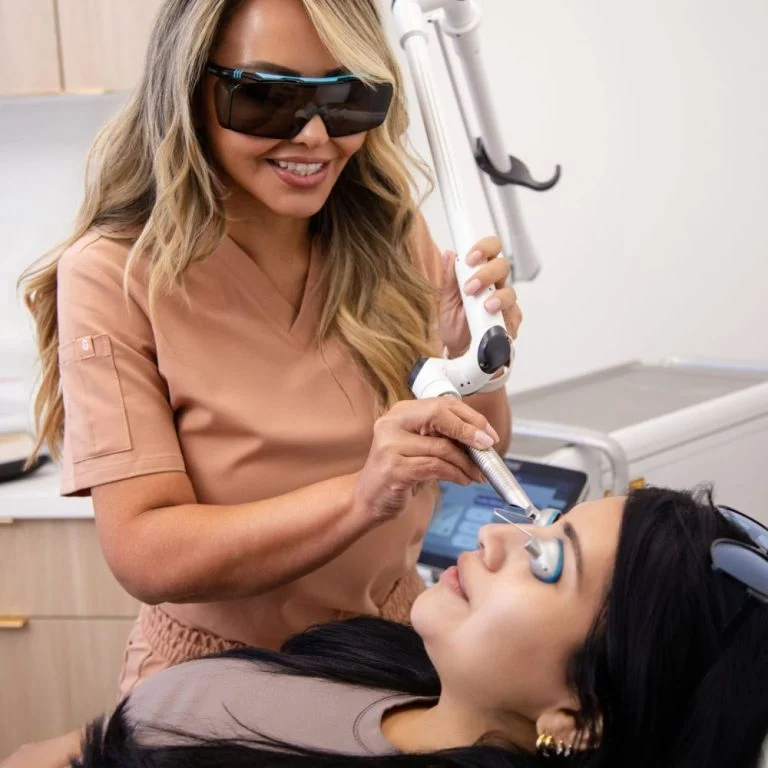

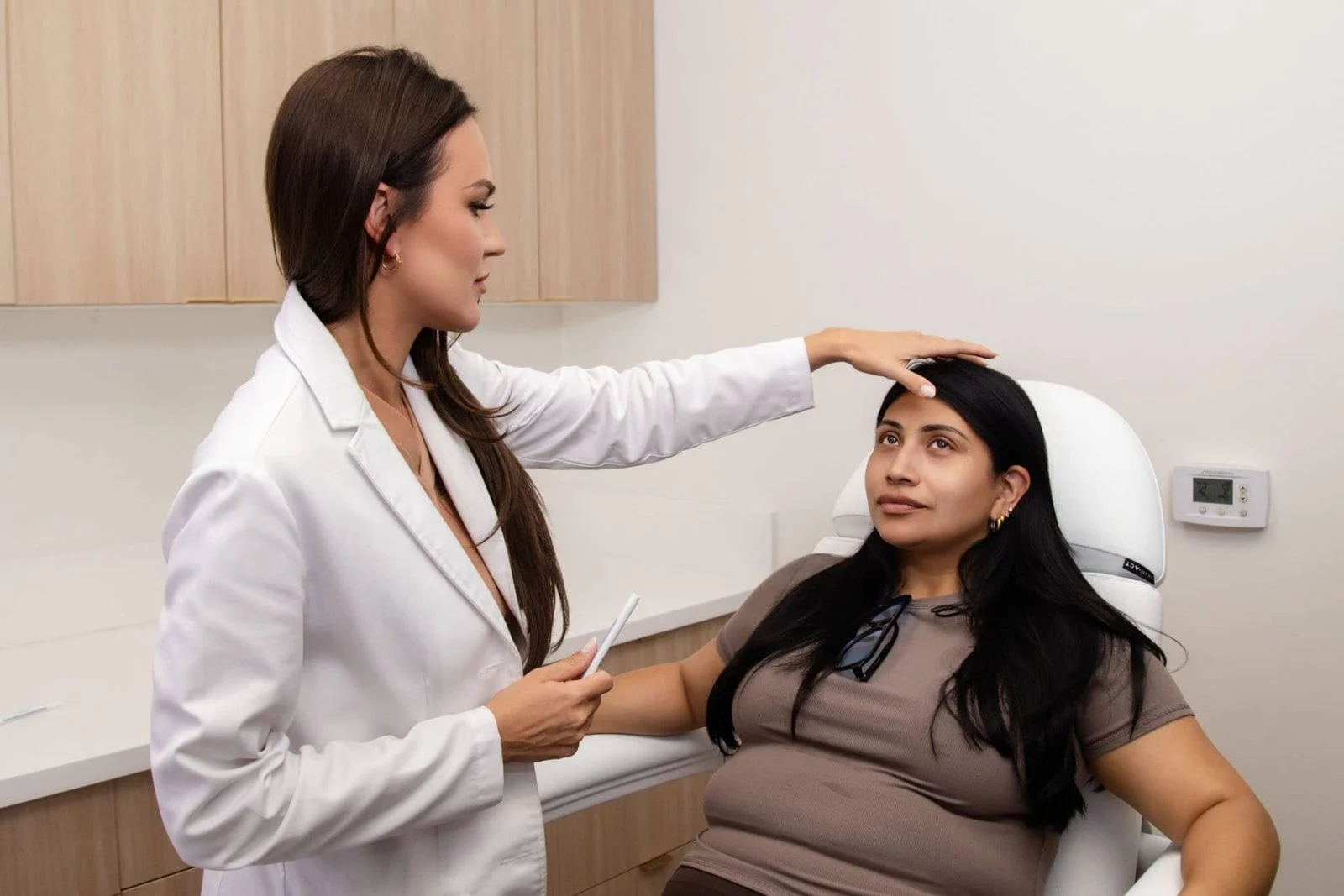
Laser treatments sound simple on paper. You pick a concern, book a session, and expect the machine to do the rest. Real life is not that tidy. Fotona platforms are versatile, but that versatility is exactly why patients need to slow down and ask better questions. The right treatment can improve texture, tone, laxity, acne scarring, vascular redness, or intimate wellness concerns with impressive precision. The wrong treatment, or the right treatment in the wrong hands, can lead to disappointment, wasted money, and a recovery period that never should have happened.
If you are comparing options for Fotona Laser Treatments Encino, CA, confidence comes from understanding three things: what Fotona can realistically treat, how treatment settings and protocols change outcomes, and how to judge the person operating the device. Most people focus on the laser brand. Experienced patients learn to focus on the plan.
Why Fotona gets so much attention
Fotona is not one single treatment. It is a family of laser technologies and protocols, often using Er:YAG and Nd:YAG wavelengths, that can be adapted for different goals. That matters because someone seeking smoother acne scars needs a different approach than someone hoping to tighten the lower face or improve sun damage with minimal downtime.
This is where a lot of confusion starts. A clinic may advertise “Fotona resurfacing” or “Fotona tightening,” but those labels are broad. The device can be tuned for superficial polishing, deeper collagen remodeling, controlled coagulation, vascular targeting, or combinations of those effects. Two practices can offer the same brand name and deliver very different experiences.
I have seen patients walk into consultations believing they were choosing between competing lasers, when the real choice was between competing philosophies. One office aimed for aggressive correction in fewer sessions. Another preferred gradual improvement with lower downtime. Neither was automatically wrong. The better fit depended on skin type, lifestyle, pain tolerance, budget, and how much risk the patient was willing to accept.
That is why confidence starts before the first pulse of light. It starts with recognizing that the machine matters, but the operator and protocol matter more.
Start with your actual concern, not the treatment menu
A strong consultation begins with your skin and your priorities, not with a package price. If a provider launches straight into selling a “popular” Fotona package without spending time on your concern, that is a warning sign.
Say you are bothered by crepey skin around the eyes. Do you mean fine surface lines, under-eye laxity, pigment from sun exposure, or volume loss making the area look tired? Those are not the same issue. A laser can improve some of them, but not all of them equally. Volume loss, for instance, might still require filler, biostimulators, or simply acceptance that a laser cannot replace structural support.
The same goes for acne scars. Rolling scars, boxcar scars, post-inflammatory discoloration, and enlarged pores often get lumped together as “scarring,” yet they respond differently. A provider who understands this will explain where Fotona fits and where adjunctive treatments may produce a better result.
The most useful consultations feel diagnostic. You should hear language like, “Your main issue is laxity more than texture,” or “The redness is mild, but the pigment and pores are driving what you notice in the mirror.” Precision like that tells you the clinician is seeing your skin rather than reaching for a script.
What a good candidate evaluation looks like
People often assume candidacy is a yes-or-no question. In practice, it Fotona Laser Treatments Encino, CA is more nuanced. An experienced provider will evaluate not just whether you can have treatment, but how treatment should be modified for your skin history.
Skin tone is one factor. Darker skin types may still be candidates for certain Fotona protocols, but settings, spacing, and pre-treatment preparation may need adjustment to reduce the risk of post-inflammatory hyperpigmentation. Recent tanning matters too, especially in Southern California, where outdoor habits can make skin more reactive than patients realize.
Medication history matters. Isotretinoin history, photosensitizing medications, anticoagulants, active acne, melasma, autoimmune conditions, recurrent cold sores, and a tendency toward abnormal scarring all affect planning. So does timing. A teacher on summer break can tolerate a week of visible recovery more easily than a realtor who spends every day meeting clients face-to-face.
A proper evaluation also includes expectation testing. If you want dramatic skin tightening from one no-downtime session, a good provider should reset that expectation immediately. That honesty is a strength, not a drawback.
Encino patients often care about downtime more than they first admit
This is especially relevant in a place like Encino. Many patients initially say they can “handle some downtime,” then clarify that they need to attend work events, school pickups, weekend social plans, or on-camera meetings without looking obviously treated. Those details shape the treatment choice more than people expect.
Ablative or more intensive resurfacing can produce meaningful improvement, but recovery is real. Redness, swelling, bronzing, peeling, and a sandpapery feel are common depending on the protocol. Less aggressive approaches may require more sessions, but they fit better into busy lives. There is no heroic virtue in choosing the strongest setting if you will panic on day three and regret doing it.
This is one reason provider communication matters. A seasoned practice will ask practical questions. Can you stay out of direct sun? Are you willing to pause active skincare? Do you have a history of picking at peeling skin? These are not side issues. They often determine whether a result looks polished or patchy.
I once heard a patient describe her previous laser treatment as a failure because “nothing happened.” After a few minutes, it became clear that plenty had happened. Her provider had intentionally chosen a conservative protocol because she had a history of hyperpigmentation and an important family event four days later. She had been treated safely, just without the dramatic endpoint she expected. Better education up front would have changed her view of the same treatment.
The consultation questions that reveal competence
You do not need medical training to tell whether a consultation is thoughtful. You need to listen for substance. Strong providers explain why they are recommending a specific Fotona protocol, what tissue level it targets, what recovery tends to look like, and how many sessions are typically needed for someone like you.
They should also tell you what the treatment will not do. That is one of the cleanest markers of clinical maturity. Overpromising is easy. Delineating the limits of a treatment takes confidence.
Ask how they decide between lighter and more aggressive settings. Ask what side effects they see most often in their patient population. Ask how they handle a poor response, prolonged redness, acne flares, or pigment changes if they occur. A thoughtful answer tends to be calm and specific. A weak answer sounds vague, defensive, or oddly absolute.
Here are a few questions worth bringing to a consultation:
- What specific Fotona protocol are you recommending for my concern, and why that one instead of another option?
- How many sessions do patients like me usually need before they see meaningful change?
- What does the first week of healing typically look like for this treatment level?
- What risks are most relevant for my skin type and history?
- Who performs the treatment, and how much experience do they have with this exact protocol?
Those five questions alone can tell you a lot. If the answers feel rushed or generic, keep looking.
Credentials matter, but so does repetition
Patients often ask whether they should only see a physician Fotona Laser Treatments Encino, CA for laser treatment. That question sounds simple, but the real answer depends on the practice model, local regulations, the complexity of the procedure, and the training of the person actually treating you.
A physician-led practice with strong oversight can be excellent. An experienced nurse or physician assistant who performs laser treatments every day may have better pattern recognition than a physician who owns a device but rarely uses it. Repetition builds judgment. Judgment is what protects skin when a treatment endpoint is not unfolding as expected.
What you want to know is who is assessing you, who is setting the treatment parameters, and who is physically holding the handpiece. If those are three different people, ask how they coordinate. If the person doing the treatment has only recently started performing that protocol, ask who supervises difficult decisions.
This is not about titles alone. It is about mastery through volume, training, and accountability.
Before-and-after photos can help, but only if you read them carefully
Many patients put too much faith in dramatic before-and-after images. Photos are useful, but they are easy to misunderstand. Lighting, makeup, facial expression, camera angle, and time interval all change what you are seeing. Some improvements are genuine but modest. Others look larger because the after photo is simply better staged.
The most useful photo sets resemble your concern and your skin type. If you are seeking treatment for textural acne scarring and most of the gallery shows generalized “glow,” that gallery is not answering your question. If you have medium to deeper skin tone and every example features very fair patients, ask whether the provider has enough experience with skin like yours.
Also pay attention to the timeline. A nice result at six months tells you more about collagen remodeling than an after photo taken five days later, when swelling can temporarily flatter the skin. Seasoned providers should be able to discuss not just peak results, but the progression: what improves early, what takes weeks, and what may plateau without maintenance.
Price should inform your decision, not control it
Laser shopping by lowest price is rarely satisfying. The cheapest offer may involve outdated protocols, aggressive package selling, inadequate follow-up, or a provider with limited experience. On the other hand, the highest price does not guarantee the best care either. Some premium fees reflect branding, location, or luxury amenities more than technical skill.
What matters is value. Value includes assessment quality, treatment customization, safety, realistic planning, post-care access, and whether the recommended course makes sense for your goals.
A package of three lighter sessions may be smarter than one heavily discounted treatment pushed far beyond what your skin can tolerate. Likewise, a more expensive office that includes careful pretreatment, herpes prophylaxis when appropriate, pigment-risk mitigation, and responsive follow-up may save money and stress in the long run.
When evaluating cost, ask whether the quote includes numbing, post-treatment products, follow-up visits, and any touch-up policy. Hidden add-ons can distort comparisons.
Red flags people overlook
Most patients know to be cautious around exaggerated claims. Fewer notice the subtler warning signs. A rushed consultation is one. Another is poor alignment between your stated goals and the recommended treatment intensity. If you say downtime is unacceptable and the office keeps steering you toward a deeper resurfacing protocol, they are not listening.
Pay attention to how the staff talks about risk. Confident practices do not act as though complications never happen. They explain how they reduce risk and how they support patients if something goes off course. That tone matters.
Watch for before-and-after albums with no context. Watch for pressure to buy a large package before your first treatment. Be wary if no one asks about sun exposure, prior procedures, or current skincare. Laser outcomes are influenced by those details every day.
A few red flags are worth keeping in mind:
- Guaranteed results stated in absolute terms
- Little discussion of downtime, aftercare, or pigment risk
- One treatment pitched as the answer for every concern
- No clear explanation of who performs the procedure
- Heavy pressure to prepay before a proper assessment
None of these automatically disqualifies a practice, but a cluster of them should make you pause.
Matching Fotona to the right goal
One reason Fotona remains popular is that it can be adapted to different cosmetic and functional concerns. That flexibility is useful, but it can also blur expectations. A patient wanting tighter skin, brighter tone, and smoother scars may hear that Fotona can address all three, which is true in a broad sense. The more important question is which concern should lead the plan.
If skin tightening is the main goal, your provider may emphasize collagen remodeling and set expectations around gradual improvement over months. If texture is the priority, resurfacing choices become more central, and downtime may increase. If redness or vascular concerns are present, a different strategy may come first. The sequencing matters.
This is where a customized plan often beats an all-in-one package. Not every concern should be attacked at the same intensity in the same session. Experienced practices know when to combine and when to stage treatment.
That judgment is particularly important for patients with reactive skin or a history of pigment shifts. More treatment is not always better treatment.
Recovery support is part of the treatment
Patients tend to judge a practice by the consultation and the procedure itself. I would argue that post-care is where you really learn how well a laser practice functions. Healing brings questions. Is this redness normal? Should the skin feel rough today? Can I restart retinoids yet? What if a spot looks darker before it lightens?
A strong office prepares you before those questions arise. You should leave with written aftercare instructions that are specific, not generic. Ideally, you also know who to contact if you are unsure about your healing. Good follow-up is practical medicine. It prevents small issues from becoming large ones.
This is particularly important with more intensive resurfacing or when treating patients prone to acne flares, cold sores, or irritation. A provider who talks confidently about collagen but casually about healing has the priorities backward. Healing is the bridge to the result.
How local context in Encino can influence your decision
Choosing among options for Fotona Laser Treatments Encino, CA is not just about finding a machine nearby. Local lifestyle matters. Sun exposure is a year-round factor in the Valley. Even patients who are careful outdoors can accumulate incidental exposure from driving, walking the dog, or weekend activities. That influences treatment timing and aftercare discipline.
Climate can affect recovery comfort too. Heat tends to make inflamed skin feel more noticeable. If you exercise outdoors or spend time in hot yoga classes, you may need to pause more than expected. These seem like small lifestyle details until they interfere with healing.
Encino also has a patient base that often wants strong results without looking overdone or obviously “worked on.” That tends to favor practices that understand restraint and sequencing. A provider who can explain how to improve skin quality while preserving a natural look is often a better fit than one who sells intensity as a badge of honor.
Trust your response to the consultation room
This may sound less technical, but it is often decisive. Patients can usually sense whether a provider is paying close attention. Did they examine your skin in good light? Did they ask what bothers you most, rather than guessing? Did they explain trade-offs without rushing past the hard parts?
Confidence does not come from hearing perfect promises. It comes from hearing clear reasoning. A good consultation leaves you feeling informed, not dazzled. You understand why the recommended plan fits, what the alternatives are, what recovery will ask of you, and where the limits lie.
That is especially important with lasers, because visible change often unfolds over time. You are not just buying a session. You are entering a process that depends on planning, execution, healing, and honest follow-up.
When patients choose well, they rarely say, “I found the cheapest place with the newest machine.” More often they say something like, “They understood my skin, set realistic expectations, and had a plan that made sense.” That is what confidence looks like in practice.
The safest kind of optimism
It is reasonable to be excited about what Fotona can do. For the right patient, in experienced hands, it can be a very effective tool. Skin can look fresher, tighter, smoother, and more refined. But the safest kind of optimism is informed optimism.
If you approach the search patiently, compare recommendations instead of marketing slogans, and choose a provider who thinks in specifics, you put the odds in your favor. Not just for a good result, but for a treatment experience that feels measured and professional from start to finish.
That is the standard worth holding when you evaluate Fotona Laser Treatments Encino, CA. The goal is not just to get treated. It is to choose well enough that you feel calm before the appointment, informed during it, and satisfied long after the redness fades.
OMNIA Wellness Center
Address: 16430 Ventura Blvd Ste 207, Encino, CA 91436
Phone number: +18183868511
FAQ About Fotona Laser Treatments Encino, CA
What is a Fotona laser good for?
A Fotona Laser system is a versatile, dual-wavelength medical laser used primarily for non-surgical skin tightening, anti-aging rejuvenation, and dermatological treatments.
How much does the Fotona laser cost?
The cost of a Fotona laser depends heavily on whether you are looking to purchase a laser machine for a medical practice or are a patient seeking a laser treatment at a medspa.
Is a Fotona laser worth it?
A Fotona laser treatment is generally worth it if you want non-surgical skin tightening, improved texture, and collagen stimulation with very little downtime.
Ends · KAMERONQQDH451