Fotona Laser Treatments Encino, CA: Exploring Modern Laser Solutions
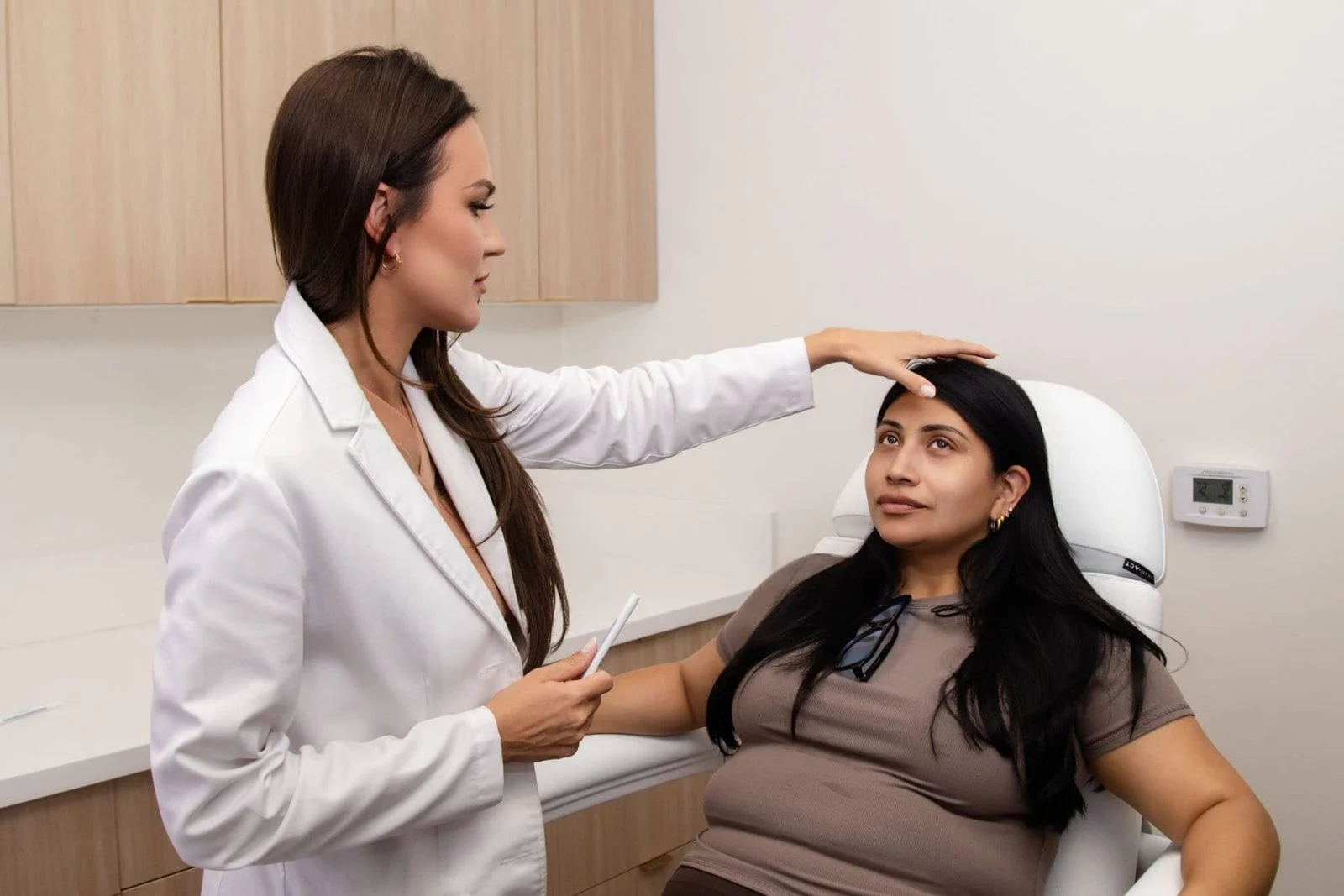
Laser aesthetics has matured far beyond the era of one-size-fits-all resurfacing. Patients now walk into practices with more specific goals, better baseline knowledge, and higher expectations around comfort, downtime, and precision. That shift matters in a place like Encino, where people often want visible improvement without stepping away from work, family schedules, or social commitments for long stretches. Among the platforms that come up often in these conversations, Fotona has earned attention for its versatility and for the way it can be adapted to skin concerns that do not always fit neatly into a single category.
When people search for Fotona Laser Treatments Encino, CA, they are usually not just shopping for a machine. They are trying to solve a practical problem. Fine lines around the mouth that makeup settles into. Acne scars that still catch the light years after breakouts are gone. Uneven texture that does not respond to peels or active skincare. Mild skin laxity that feels too early for surgery but too visible to ignore. Sometimes the concern is functional as well as cosmetic, such as chronic redness, dilated pores, or changes in intimate wellness after childbirth or menopause. The appeal of Fotona lies in the fact that it is not one treatment in the narrow sense. It is a laser platform that can be used in different modes, at different depths, with different goals.
That distinction is worth understanding before anyone books a consultation.
What makes Fotona different from a generic “laser treatment”
Many practices use the word laser broadly, which can be confusing for patients. A laser is simply a light-based device, but different wavelengths interact with the skin in very different ways. Fotona systems are known for combining erbium:YAG and Nd:YAG wavelengths, depending on the model and protocol. In practical terms, that allows a provider to target both superficial and deeper tissue concerns with more flexibility than a single-purpose device.
The erbium wavelength is often used when the goal is precise ablation or resurfacing. It removes or heats very controlled portions of the skin’s surface, which can help with texture, superficial lines, enlarged pores, and certain scars. The Nd:YAG wavelength penetrates more deeply and is commonly used for tightening, vascular concerns, and deeper thermal stimulation. A seasoned provider can layer these capabilities in a thoughtful way rather than forcing every concern into the same treatment template.
That layering is one reason Fotona treatments come up so often in aesthetic medicine circles. A patient may not need aggressive full-field resurfacing. Another may benefit from internal and external tightening around the mouth. Someone else may need scar remodeling that balances visible results against downtime. The platform allows for nuance, and in aesthetics, nuance usually separates an acceptable result from Fotona Laser Treatments Encino, CA a truly satisfying one.
Why Encino patients often gravitate toward adaptable laser options
Encino sits in a part of Los Angeles where appearance is visible in daily life, but that does not mean every patient wants dramatic intervention. Many want improvement that looks believable. They want their skin to appear healthier, firmer, smoother, and more rested, not altered beyond recognition. Treatments that can be tuned to that middle ground tend to do well.
Another practical factor is climate and lifestyle. Southern California sun exposure is a real issue, not a throwaway warning on a consent form. Even disciplined sunscreen users often carry a history of cumulative UV damage, especially on the face, neck, chest, and hands. At the same time, outdoor living complicates recovery timing. A laser treatment plan that requires strict sun avoidance during peak summer months needs to be timed carefully. For that reason, many patients appreciate platforms that allow a spectrum of intensity, from lighter maintenance sessions to more committed resurfacing when their schedule and season line up.
There is also the matter of skin diversity. Encino practices often see a wide range of skin tones and skin behaviors. Not every laser is equally forgiving or equally appropriate across all Fitzpatrick skin types. Fotona protocols can sometimes be adjusted in ways that make treatment more customizable, though suitability still depends on the exact concern, the exact settings, and the provider’s judgment. This is not a machine that replaces expertise. If anything, its versatility makes provider skill more important.
Common concerns treated with Fotona
The biggest misunderstanding around Fotona is that it is one signature treatment. It is more accurate to think of it as a toolkit. The toolkit may be used for facial rejuvenation, acne scar revision, wrinkle reduction, skin tightening, certain vascular or pigmented issues, and intimate wellness applications, depending on the system available at the practice and the provider’s training.
For the face, one of the more discussed uses is collagen stimulation with relatively controlled downtime. Patients with early laxity, crepey texture, or smoker’s lines around the mouth often ask whether they need surgery or injectables, when what they may actually benefit from first is a resurfacing and tightening strategy. A good laser plan can improve the canvas itself. That matters because fillers placed into poor-quality skin rarely look as refined as fillers placed after texture and elasticity have been addressed.
Acne scar work is another area where expectations need careful calibration. Lasers can meaningfully improve rolling scars, shallow boxcar scars, and roughness left behind by acne, but they do not erase severe scars in a single sitting. In real practice, improvement often comes through a series, and the best outcomes sometimes involve combining lasers with subcision, microneedling, PRP, or targeted fillers. A skilled provider will say that plainly. Anyone promising perfection after one session is overselling.
Around the eyes and mouth, Fotona is frequently discussed because these areas reveal age early and are challenging to treat well. Thin skin, movement, and visible anatomy Fotona Laser Treatments Encino, CA mean the provider must balance efficacy with restraint. A lighter treatment may give a patient enough softening and tightening to postpone more invasive steps. A stronger resurfacing session may suit someone who can accept a week or more of social downtime in exchange for more visible change.
The treatments people ask about most often
Brand names within the Fotona ecosystem can make things sound more mysterious than they are. In practice, what matters is the treatment goal and how the laser is being delivered.
Smooth-mode tightening protocols are designed to heat tissue without ablating the surface in the same way a classic resurfacing treatment would. Patients usually ask for this when they want collagen stimulation with less downtime. It is often used around the mouth, lower face, and sometimes intraorally as part of a tightening protocol.
Fractional or resurfacing approaches use erbium energy more directly on the skin surface. These are the sessions patients think of when they hear phrases like texture refinement, pore improvement, or line softening. Recovery is more noticeable because the skin has been intentionally injured in a controlled way to trigger renewal.
Some offices also use Fotona for body applications, scar revision beyond the face, and gynecologic or intimate wellness indications. The key point is that the same brand can refer to quite different experiences in the treatment chair. A patient who had a nearly no-downtime tightening session should not assume it tells them anything useful about what a resurfacing appointment will feel like, or vice versa.
What a consultation should actually cover
The best consultations are less about sales language and more about diagnosis. Skin quality has multiple layers. Pigment, blood vessels, laxity, pore size, scars, volume loss, and dynamic movement all show up differently under exam lighting than they do in a bathroom mirror. A provider who works with lasers regularly will usually spend time figuring out what is truly driving the concern.
For example, someone who says they want “tighter skin” may actually be most bothered by etched lines and rough texture. Someone focused on “sun spots” may turn out to have a vascular redness component that needs a different device or sequence. Another patient may be a poor candidate for aggressive laser at that moment because of recent tanning, active melasma, isotretinoin history, or a tendency toward post-inflammatory hyperpigmentation.
A useful consultation should also touch on daily realities. Can you hide at home for five to seven days if needed, or do you need to be camera-ready in forty-eight hours? Are you disciplined enough with sunscreen to protect your investment? Are you expecting a laser to replace surgery, neuromodulators, or skincare when in truth it may work best as part of a broader plan? Clear answers here save disappointment later.
Recovery is where expectations get sorted out
One reason patients end up unhappy with otherwise good treatments is not the result itself but the mismatch between what they expected and what recovery actually involved. With Fotona, downtime varies dramatically based on protocol. A mild tightening session may leave temporary warmth, light redness, and a dry feeling that settles quickly. A more assertive resurfacing treatment can produce swelling, bronzing, pinpoint crusting, and several days where the skin looks rough before it looks better.
That does not mean stronger is always better. Over-treatment can create more risk, more pigment issues, and more frustration than benefit, especially in patients who should have started with a lighter plan. In practice, some of the happiest patients are not the ones who chose the most aggressive option. They are the ones whose treatment intensity matched their skin, schedule, and tolerance for downtime.
Providers who work with laser patients every day know that aftercare is not glamorous, but it matters. Cleanse gently, moisturize faithfully, avoid heat and friction early on, and stay serious about sun protection. A week of careless behavior after a good laser session can undercut months of planning.
Sensible aftercare basics
- Use only the products your provider approves for the first several days, especially after resurfacing.
- Skip exfoliants, retinoids, acids, and active acne treatments until the skin barrier has clearly recovered.
- Avoid direct sun exposure and wear broad-spectrum sunscreen diligently once your provider says it is safe.
- Do not pick, scrub, or peel flaking skin, even when the texture is tempting to “help.”
- Report unusual pain, spreading redness, or delayed healing rather than trying to manage it yourself.
Results tend to build, not arrive all at once
This is another area where experienced counseling helps. Some laser effects are immediate, especially mild tissue contraction and a smoother feel once surface healing finishes. But much of what people are paying for is collagen remodeling, and that process takes time. Skin often continues to improve over several weeks to months after a session. When a series is recommended, it is usually because a single treatment is not enough stimulus to create the level of change the patient wants, not because the first session “didn’t work.”
The timeline also depends on the problem being treated. Fine surface texture may respond relatively quickly. Deeper acne scars usually need patience. Laxity improves gradually and may plateau unless maintenance is built into the plan. Patients who understand this tend to evaluate progress more realistically. They also tend to stay more consistent, which is where the better long-term outcomes happen.
Safety, skin tone, and the importance of restraint
Laser marketing often flattens risk into a footnote. Real treatment planning does not. Every laser carries potential trade-offs, including redness, swelling, infection, herpes flare in susceptible patients, acneiform breakouts, temporary or prolonged pigment changes, and in rare cases scarring. None of that means the treatment is unsafe. It means laser medicine works best when risk is openly discussed and carefully managed.
Darker skin tones require particularly thoughtful planning. That does not automatically exclude someone from Fotona Laser Treatments Encino, CA, but it does change the conversation. Parameters, pretreatment, post-care, timing, and the exact indication all matter. Sometimes the wisest choice is a lighter protocol. Sometimes another device or another modality is a better match. A trustworthy provider does not force eligibility where caution should lead.
Sun exposure, recent tans, melasma history, and active inflammation also influence decisions. I have seen patients delay a treatment by a month and get a cleaner, safer result because their skin barrier and pigment activity were in a better place. Delaying is not a failure. It is often good medicine.
Where Fotona fits compared with other options
Patients often arrive deciding between laser, microneedling, RF microneedling, chemical peels, injectables, or surgery. The right choice depends on what you are trying to improve first.
Microneedling can be an excellent entry point for mild texture concerns or for patients who are not ready for laser downtime. RF microneedling may help with scars and tightening, though outcomes vary and discomfort can be significant. Chemical peels can brighten and smooth, but they usually do less for tightening and deeper textural remodeling. Fillers restore volume, not skin quality. Neuromodulators soften movement-driven lines, not etched texture. Surgery addresses structural laxity in ways no laser can fully duplicate.
Fotona often occupies the space where a patient wants real skin quality improvement with more precision than a peel and, depending on the protocol, less morbidity than older fully ablative approaches. That does not make it universally better. It makes it useful when chosen for the right problem.
Questions worth asking before you book
A short, direct conversation can reveal a lot about whether a practice is the right fit. Good clinics usually welcome precise questions because they signal a thoughtful patient.
- Which Fotona protocol are you recommending for my specific concern, and why that one instead of another option?
- How many sessions do patients like me typically need to see worthwhile improvement?
- What will my skin likely look like on day two, day five, and day ten?
- What risks are most relevant for my skin tone and history?
- What outcomes would you consider realistic for me, not idealized before-and-after examples?
Those questions tend to move the discussion from marketing to medical judgment.
Cost, value, and why price alone can be misleading
Pricing for laser treatments in Encino can vary widely, and that variation is not random. It reflects treatment intensity, provider expertise, overhead, session length, numbing and support protocols, and whether the practice is delivering a quick pass with standardized settings or a more customized plan. A lower quote is not always a bargain if the treatment is too conservative to make a meaningful difference. On the other hand, a premium price does not guarantee skill.
Value comes from fit. If your main issue is shallow pigmentation and you book an expensive tightening package, you may pay more and still feel underwhelmed. If your acne scars need combination therapy and you buy a single-session promise, you may save money upfront and lose it in repeated disappointment. The strongest consultations usually align the patient’s budget with the hierarchy of concerns. Treat the issue that will visibly move the needle first. Build from there if needed.
Who tends to be happiest with Fotona treatments
In day-to-day practice, the happiest laser patients usually share a few traits. They want improvement rather than perfection. They understand that healthy skin habits still matter. They are willing to follow instructions, protect their skin from sun, and give collagen time to remodel. They also choose providers who explain trade-offs honestly instead of trying to sell every concern as an easy fix.
Fotona can be particularly satisfying for patients who feel caught between skincare that no longer does enough and procedures that feel too invasive for where they are. It offers a middle ground with range. A younger patient may use it for acne scars or early prevention. A patient in midlife may use it to address texture, lines, and mild laxity. Someone older may combine it with injectables or surgery as part of a broader rejuvenation plan. The common thread is customization.
Choosing a provider in Encino with confidence
Technology matters, but the machine is only half the equation. When evaluating providers for Fotona Laser Treatments Encino, CA, look for evidence that they treat your specific concern regularly and can talk through why they are selecting certain settings or protocols. Before-and-after photos help when they are relevant to your age, skin tone, and concern. So does a clear explanation of downtime, alternatives, and maintenance.
A careful office will ask about your medical history, medications, cold sore history, pregnancy status when relevant, active skincare, and recent sun exposure. They will not wave away pigment risks. They will not imply that all laser experiences are basically the same. And they will not pressure you to commit before you understand what the recovery window really looks like.
Modern laser medicine is at its best when it is individualized, restrained, and technically sound. Fotona has become part of that conversation because it gives experienced providers room to tailor treatment instead of forcing every patient down the same path. In a market like Encino, where patients are discerning and downtime matters, that flexibility can be a real advantage. The key is to pair the right technology with the right assessment, realistic expectations, and a provider whose judgment you trust.
OMNIA Wellness Center
Address: 16430 Ventura Blvd Ste 207, Encino, CA 91436
Phone number: +18183868511
FAQ About Fotona Laser Treatments Encino, CA
What is a Fotona laser good for?
A Fotona Laser system is a versatile, dual-wavelength medical laser used primarily for non-surgical skin tightening, anti-aging rejuvenation, and dermatological treatments.
How much does the Fotona laser cost?
The cost of a Fotona laser depends heavily on whether you are looking to purchase a laser machine for a medical practice or are a patient seeking a laser treatment at a medspa.
Is a Fotona laser worth it?
A Fotona laser treatment is generally worth it if you want non-surgical skin tightening, improved texture, and collagen stimulation with very little downtime.
Ends · KAMERONQQDH451