Fotona 4D Laser Facial (TimeWalker) for Firmer, Younger-Looking Skin
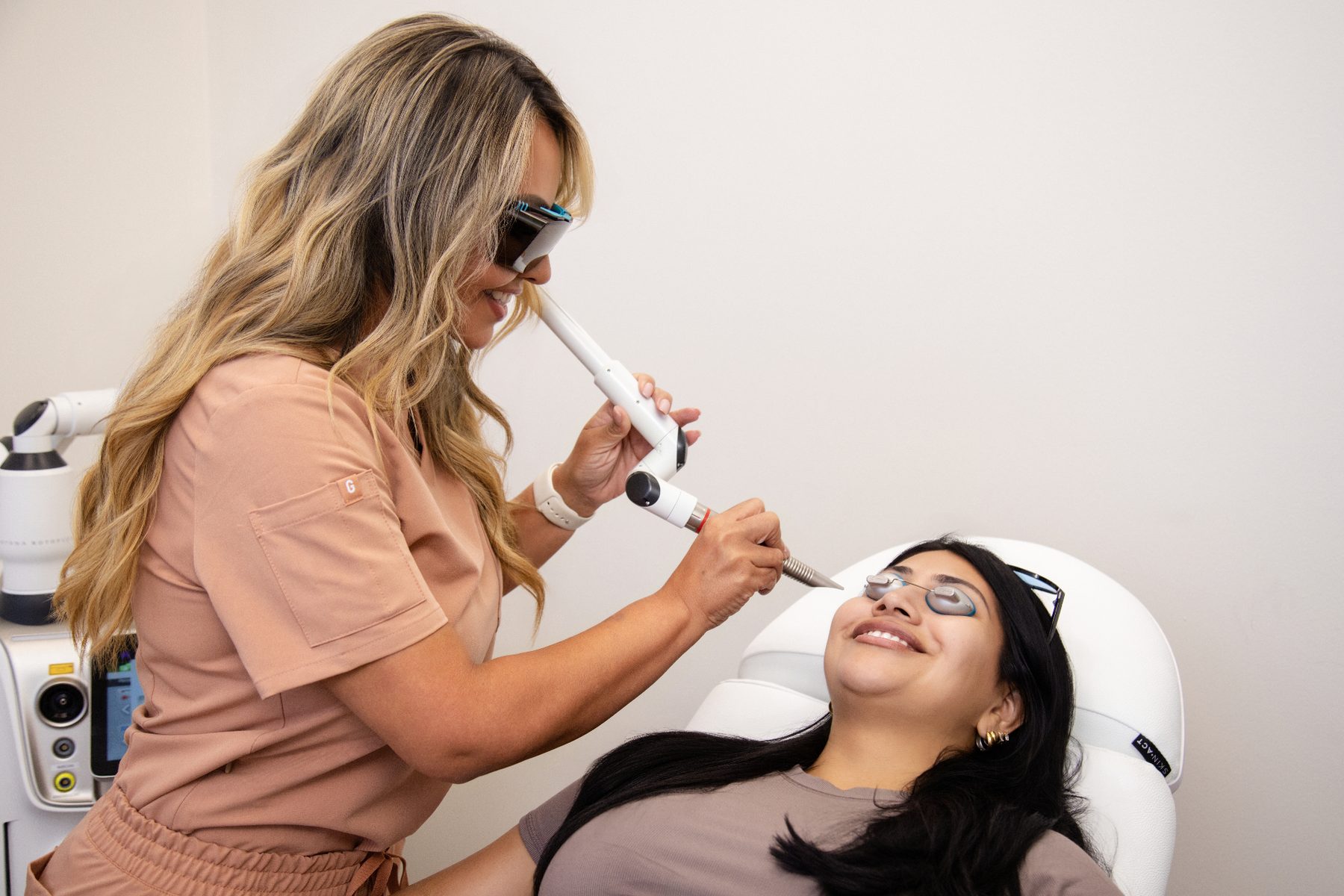
Skin tightening treatments tend to fall into two unsatisfying camps. On one side, there are light-touch facials that feel pleasant but do little beyond temporary glow. On the other, there are aggressive resurfacing procedures that can produce meaningful change but ask for real downtime, careful aftercare, and a high tolerance for redness, peeling, or social hiding. The appeal of the Fotona 4D Laser Facial (TimeWalker) sits squarely between those extremes.
This treatment has gained attention because it approaches facial rejuvenation from several angles at once. Instead of relying on a single pass or one layer of energy delivery, it combines multiple laser modes in a structured session designed to stimulate collagen, improve skin texture, soften fine lines, and create a firmer overall look. In good hands, it can be a smart option for people who want visible improvement without stepping into the more demanding recovery associated with fully ablative laser resurfacing.
That said, the marketing language around laser facials can be overly polished. “Non-surgical facelift” is the kind of phrase that raises expectations fast, often faster than reality can support. Fotona 4D can improve skin quality and create a tighter, fresher appearance, but it does not replicate surgery, and it is not equally suited to every face, every age, or every skin concern. The best outcomes come when the treatment is chosen for the right reason and performed with good clinical judgment.
What the Fotona 4D treatment actually is
Fotona 4D is a multi-step laser rejuvenation protocol delivered on a Fotona platform, often marketed under the TimeWalker name in some clinics. The exact settings can vary, but the concept remains consistent: several laser modes are used in sequence to address both superficial and deeper tissue targets. Rather than treating only the outer skin, the treatment can also work from inside the mouth to support tissue contraction and collagen remodeling in areas that are difficult to reach externally.
That inside-the-mouth step is one of the features that makes Fotona 4D stand out. It sounds unusual the first time a patient hears about it, but anatomically it makes sense. The cheeks, nasolabial region, and perioral area are influenced not just by skin surface quality but also by support in deeper Fotona 4D Laser Facial (TimeWalker) soft tissue. Treating from the oral mucosa allows energy to be delivered where external devices cannot easily go without more aggressive intervention.
A typical Fotona 4D session includes four treatment phases, which is where the “4D” label comes from. Clinics may describe them slightly differently, but they generally involve intraoral tightening, targeted deeper correction, bulk heating for collagen stimulation, and a final superficial polishing pass. The experience is more involved than a basic lunch-break facial, yet usually more manageable than strong resurfacing lasers that leave the skin raw for days.
Why the technology appeals to both doctors and patients
From a treatment planning perspective, the attraction is flexibility. A single-modality procedure can be effective, but facial aging is not a single-modality problem. Laxity, texture change, dullness, fine lines, enlarged pores, and creasing rarely arrive one at a time. They tend to layer onto each other over the years. Treatments that can address more than one issue in the same visit are often more efficient, and patients appreciate that.
In practice, this matters most for people in that middle zone of aging, usually those who are starting to notice softer contours, creasing around the mouth, and a general loss of bounce. They may not be ready for surgery, and they may not need it. They often want improvement that coworkers notice without being able to identify why someone looks better. Fotona 4D can fit that brief well.
Clinicians also like that the treatment is adjustable. Energy levels, pulse duration, number of passes, and emphasis areas can be tailored to the patient. Someone with early laxity and relatively even skin tone may need a very different approach from someone with acne scarring, smoker’s lines, or a leathery texture after years of sun exposure. That room for adjustment is one reason outcomes can vary significantly between providers. The machine matters, but the operator matters more.
The four dimensions, in plain English
The treatment is often explained with branded names for each phase, but patients usually understand it better when it is translated into what each step is trying to do.
The first phase commonly involves intraoral heating. A handpiece is used inside the mouth, especially along the cheeks and around the upper and lower lips. The goal is to stimulate collagen contraction and remodeling from the inside. This part can be surprisingly tolerable, though it feels warm and unusual. For patients bothered by nasolabial folds or fine lines above the lip, this internal step is one of the more interesting features of the treatment.
The second phase often targets deeper imperfections and structural laxity. Depending on settings and patient needs, this part can be used to address textural irregularities, early sagging, or areas where skin no longer reflects light evenly. It is less about surface polish and more about controlled deeper stimulation.
The third phase generally uses sustained bulk heating to drive collagen production. This is the tightening engine of the treatment. Patients often describe it as repeated waves of warmth. The sensation is not glamorous, but it is usually manageable, especially when the provider keeps the pace steady and checks in frequently.
The final phase works more superficially, refining texture and brightness. This is where the skin often gets that fresher look people associate with laser facials. Pores can look a bit tighter, the skin surface can seem smoother, and makeup often sits better once the initial post-treatment dryness settles.
What a real appointment feels like
On paper, a Fotona 4D session sounds highly technical. In the treatment room, it tends to feel more practical than dramatic. After photographs and skin prep, protective eyewear is used and the treatment begins in stages. Some clinics apply topical numbing beforehand, though not every provider considers it necessary for every patient. The intraoral phase requires patience and clear communication, especially for first-time patients who are not used to a laser handpiece working along the inside of the cheeks and lip area.
The external phases bring heat, prickling, and brief sharp sensations depending on the settings. Most patients tolerate it well, but tolerance varies. Someone who breezes through injectables may still find heat-based procedures uncomfortable, while another patient who dislikes needles may prefer laser over anything injectable. Comfort is personal, and experienced providers do not treat it like a character test.
A full session often takes somewhere around 45 to 90 minutes, depending on the areas treated and whether extra time is spent on the neck or specific concerns such as perioral lines. Afterward, the skin is usually pink to red, warm, and a little puffy. Some patients leave looking as if they had a brisk workout. Others are redder, especially if stronger resurfacing settings were used in the final stage.
The kind of results you can reasonably expect
The right way to think about Fotona 4D is cumulative improvement, not overnight transformation. Some people notice a brighter, tighter look within days, partly from transient tissue contraction and swelling. The more meaningful change tends to unfold over several weeks as collagen remodeling develops. Skin often feels denser before it looks dramatically different, which is a subtle but important distinction.
Patients usually report benefits in a few predictable areas. The skin can look firmer, especially through the mid-face and lower cheek. Fine textural roughness often softens. Lines around the mouth may become less etched. Pores may appear somewhat reduced, and the face can take on a more rested, less flat appearance. If the neck is treated as well, the treatment can complement the face nicely, though the neck is often slower to show clear change.
Where expectations need careful management is with deeper folds, significant jowling, heavy lower-face descent, and substantial skin excess. Laser tightening can improve these concerns to a point, but it cannot remove redundant tissue. In patients with advanced laxity, the result may be pleasing but modest. That does not make the treatment ineffective. It simply means the treatment has a lane, and results are best when it stays in it.
Who tends to do especially well with it
In clinical practice, the best candidates are often patients with early to moderate signs of aging who want visible improvement without an invasive recovery. They may be in their thirties, forties, or fifties, though age matters less than tissue quality, sun damage, and expectations. A younger patient with acne scarring and enlarged pores may benefit for different reasons than an older patient with softening jawline definition and upper lip lines.
Patients who are disciplined about sunscreen and maintenance skincare usually hold their results better. That sounds obvious, but it matters. Laser treatments can stimulate collagen, yet if someone continues to accumulate UV damage, smoke heavily, or neglect basic skin care, the gains are harder to preserve.
It also tends to suit people who Fotona 4D Laser Facial (TimeWalker) are comfortable with gradual change. Not everyone is. Some patients want one treatment that produces an undeniable before-and-after. For them, especially if they have significant laxity, surgery or a different category of procedure may be more appropriate. Fotona 4D is often ideal for the person who wants to look better in a natural way, not categorically altered.
When it may not be the best choice
There are several situations where caution is wise. Active infection, inflamed skin, recent isotretinoin use depending on the provider’s protocol, certain pigment disorders, and a tendency toward poor healing can affect whether treatment is advisable. A history of post-inflammatory hyperpigmentation deserves a thoughtful discussion, particularly in patients with darker skin tones or reactive skin.
Skin tone itself is not an automatic barrier, but it does influence settings, sequencing, and risk management. Some laser procedures carry a higher pigmentation risk in melanin-rich skin, and treatment should be individualized carefully. A provider who works confidently across varied skin tones and can explain how they adjust for safety is worth seeking out.
It may also be the wrong tool if the main issue is volume loss rather than skin quality or mild laxity. Hollow temples, flattened cheeks, and deep under-eye volume changes are not primarily laser problems. In those cases, biostimulatory injectables, hyaluronic acid filler, fat grafting, or a broader treatment plan may make more sense. Good aesthetic medicine is rarely about forcing one technology to solve every complaint.
Downtime is real, just usually manageable
A common mistake in advertising is to frame treatments as having “no downtime” when what they really have is “limited downtime.” Fotona 4D usually falls into the second category. Many patients can return to work or social activity quickly, but they may still have redness, warmth, slight swelling, and a rough or dry surface for a few days.
If the superficial polishing step is more assertive, there can be a sandpapery feel or mild flaking afterward. Makeup can usually be resumed fairly soon, but timing depends on the intensity used and the provider’s aftercare instructions. Socially, some people feel comfortable the next day. Others prefer two or three days before events or close-up meetings.
This is worth planning around honestly. If someone has a wedding, filmed presentation, or important photos, I would not place their very first session immediately beforehand. Even when the treatment is technically low downtime, skin is still biology, not software. It does not always read the brochure.
The question everyone asks: how many sessions?
There is no single correct answer because treatment goals vary. Some patients do one session and enjoy the improvement, particularly before an event or as a reset after a period of stress and sun exposure. Others do a short series, often spaced several weeks apart, to build collagen more meaningfully. A maintenance session once or twice a year is also common in aesthetic practice.
What matters more than the exact number is the baseline. A forty-year-old with mild laxity and good skin habits may need far less intervention than a fifty-eight-year-old with chronic sun damage and thinning collagen. It is better to think in terms of a plan than a package. The face rarely ages in tidy intervals, and treatment should not be sold as though it does.
How it compares with other popular rejuvenation options
Patients often arrive choosing between a laser facial, microneedling radiofrequency, standard fractional resurfacing, ultrasound tightening, or injectables. These are not interchangeable, even if they overlap.
Fotona 4D generally occupies a useful middle position. It can produce more noticeable tightening and multi-layer improvement than a simple hydrafacial-style treatment, while asking less recovery than aggressive ablative resurfacing. Compared with microneedling radiofrequency, the experience is different rather than strictly better. Radiofrequency devices may be favored for certain textural and acne scar cases, while Fotona’s intraoral component gives it a distinct advantage around the perioral and mid-face support zones.
Compared with injectables, laser does something fundamentally different. Neuromodulators relax overactive muscles. Fillers restore volume or shape. Laser improves skin quality and stimulates tightening. Patients often get the best results when these modalities are combined thoughtfully rather than treated as rivals. A patient with etched upper lip lines, volume loss in the mid-face, and dynamic crow’s feet will usually need more than one kind of intervention if they want a polished, balanced result.
Surgery remains the stronger option for substantial laxity. That point should never be danced around. If someone has pronounced jowls, a heavy neck, and significant lower-face descent, a laser treatment may help skin quality, but it will not reposition tissue the way a lower facelift can. The most professional consultations are the ones that say so plainly.
Safety, side effects, and the importance of provider skill
Most side effects are temporary and expected: redness, swelling, tenderness, dryness, and a feeling of heat in the treated areas. Less common issues can include prolonged redness, acne flare, irritation around the mouth, herpes simplex reactivation in prone patients, and pigment changes. Burns and scarring are uncommon but possible, especially with poor technique, inappropriate settings, or inadequate aftercare.
Provider skill is not a soft factor here. It is central. A clinician needs to understand not only the machine’s settings but also skin biology, healing behavior, facial anatomy, and when to pull back. Stronger is not always better. Some of the best results I have seen came from measured, conservative parameters repeated thoughtfully over time, rather than a single overly aggressive session aimed at producing dramatic immediate change.
A proper consultation should include a review of medical history, medications, recent procedures, skin sensitivity, pigment history, and realistic goals. If a clinic jumps straight to price without discussing candidacy, that is not a great sign.
What aftercare really looks like
Aftercare is not complicated, but it matters. Skin is usually more sensitive for several days, sometimes longer. Gentle cleansing, bland moisturization, sun protection, and avoiding harsh active products for the advised period are the basics. Retinoids, exfoliating acids, and vigorous scrubs generally need to pause temporarily. Heat-heavy activities such as saunas or very intense workouts may also be restricted briefly, depending on how reactive the skin is.
Hydration helps, though not in the mystical way beauty marketing sometimes suggests. Well-moisturized skin simply tends to feel more comfortable and recover more smoothly. Patients who try to “push through” with strong acids or retinol too soon often end up with more irritation than benefit.
If someone has a history of cold sores, that should be mentioned before treatment, especially when the perioral area is involved. Prophylactic antiviral medication may be considered based on provider protocol.
Cost, value, and how to think about pricing
Pricing varies widely by geography, provider expertise, clinic setting, and whether the neck or other areas are included. The cheapest offer is rarely the best value. A lower price attached to rushed treatment, weak customization, or inexperienced operation can turn a promising technology into a mediocre experience.
The more useful question is not “What does one session cost?” but “What result am I buying, and how likely am I to achieve it with this provider?” That includes consultation quality, treatment planning, before-and-after transparency, and follow-up. In cosmetic medicine, value is usually found in precision and judgment, not discounting.
The bottom line for patients considering Fotona 4D
Fotona 4D Laser Facial (TimeWalker) is one of the more versatile non-surgical rejuvenation options available for patients who want firmer, smoother, fresher-looking skin without the downtime of aggressive resurfacing or the commitment of surgery. Its strength lies in combining several layers of treatment into one session, especially with the addition of the intraoral component that sets it apart from many standard laser facials.
It is not magic, and it is not a substitute for every other aesthetic tool. It works best for mild to moderate laxity, textural aging, early perioral lines, and patients who value natural-looking progression over abrupt change. The most satisfied patients are usually the ones who understand what it can do, what it cannot do, and why a tailored plan matters more than a trending treatment name.
If the goal is to look firmer, more rested, and more refined while keeping your face recognizably your own, this treatment deserves a serious look. Just choose the provider as carefully as you choose the procedure. With laser rejuvenation, the result often reflects that decision more than anything else.
OMNIA Wellness Center
Address: 16430 Ventura Blvd Ste 207, Encino, CA 91436
Phone: (818) 386-8511
FAQ About Fotona 4D Laser Facial (TimeWalker)
What are the benefits of Fotona laser treatment?
OMNIA offers this treatment for concerns such as uneven texture, dull tone, and fine lines. Results and the number of sessions vary, so discuss your goals with a provider.
Is Fotona laser safe?
A qualified provider should review your skin, medical history, medications, and recent sun exposure to determine whether the treatment is appropriate. Ask about possible irritation, pigment changes, and aftercare before booking.
How much does a Fotona 4D facelift cost?
Price depends on the treatment plan and number of visits. Ask OMNIA for an itemized estimate during your consultation.
Ends · KAMERONQQDH451