Fotona 4D Laser Facial (TimeWalker) for Dull, Tired Skin
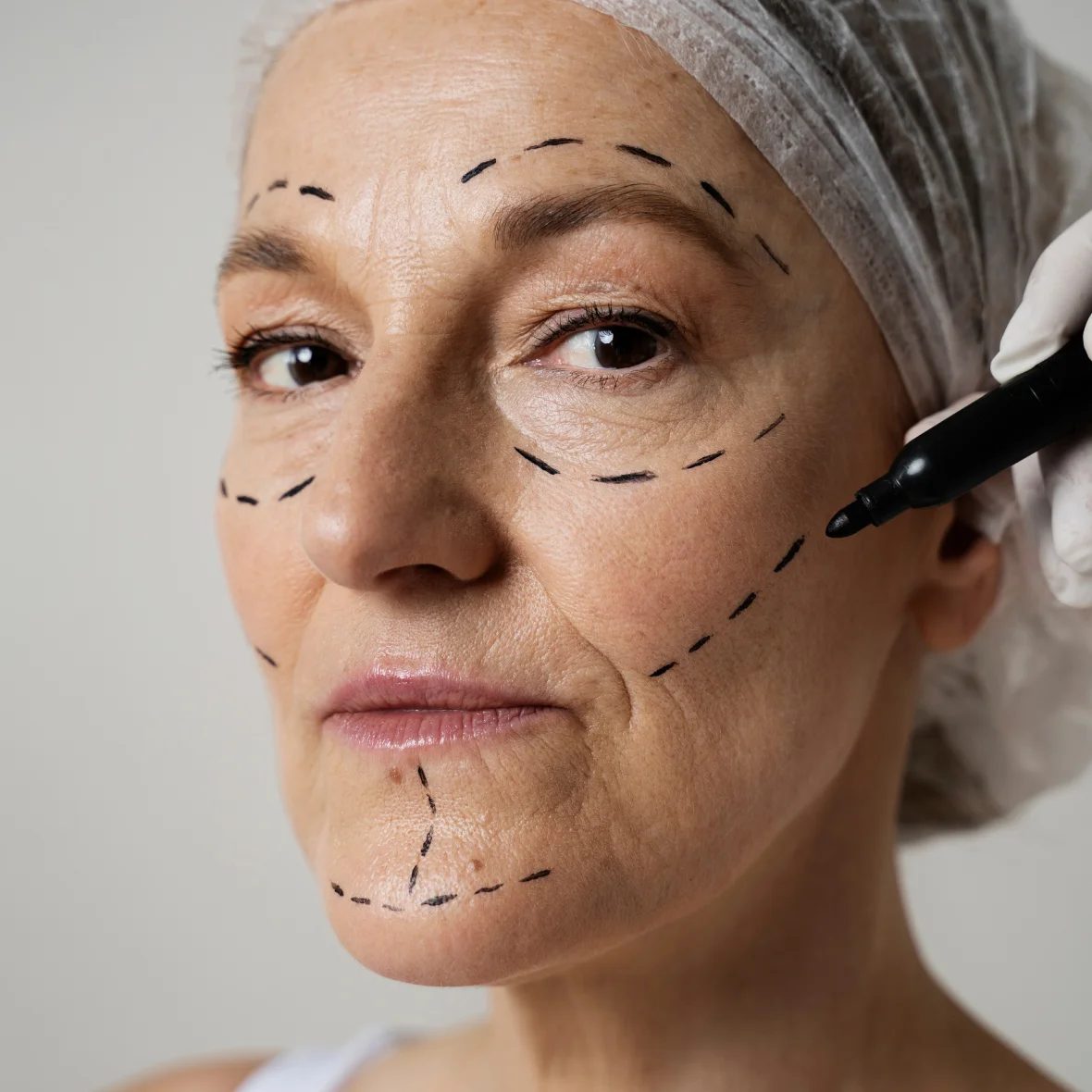
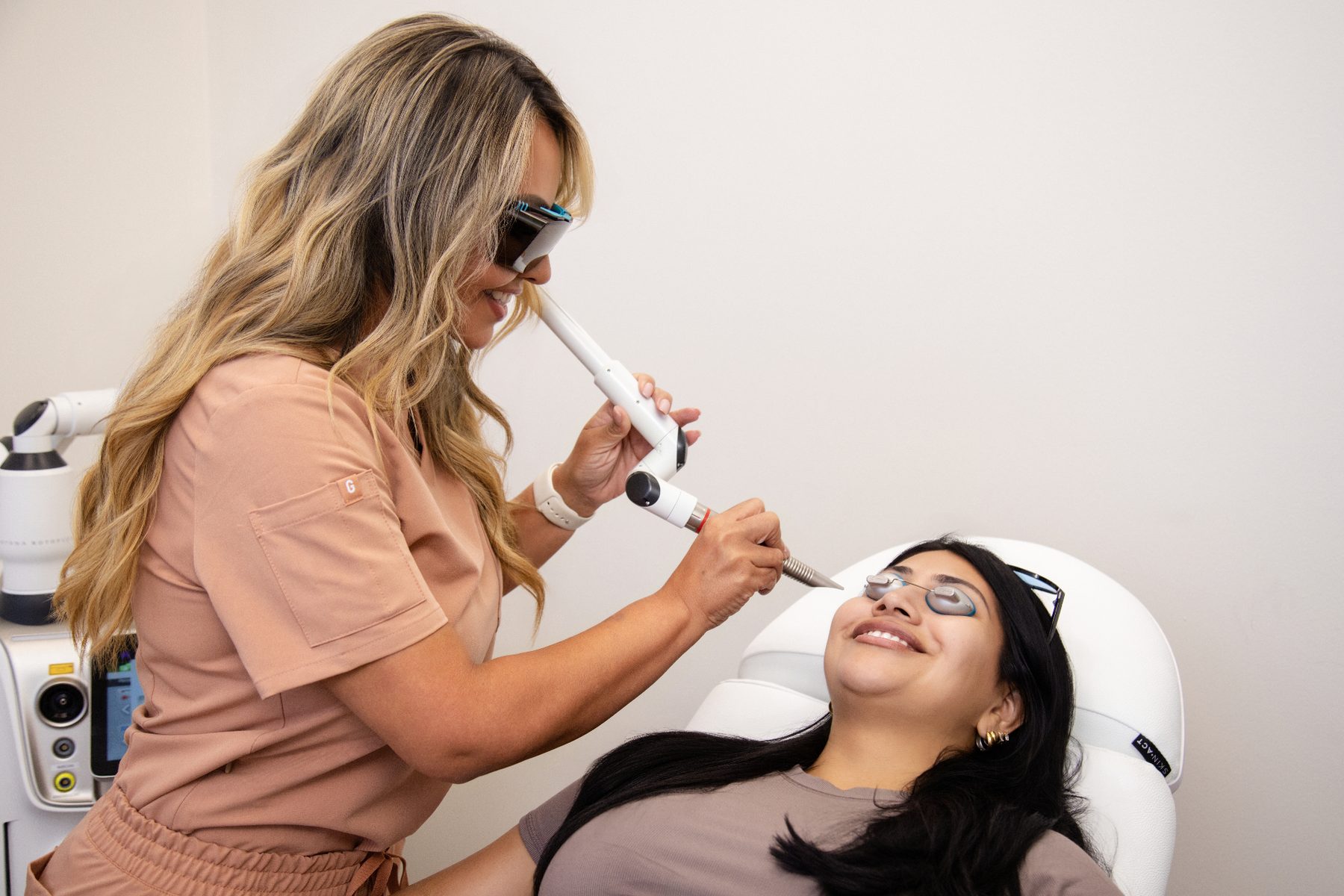
Dull, tired skin is rarely one single problem. Most of the time, it is a layered picture: a little loss of bounce, uneven tone, slower cell turnover, mild laxity around the mouth or jawline, and that flat, washed-out look that makes the face seem more fatigued than it feels. Patients often describe it the same way. They say they do not look older exactly, but they no longer look fresh.
That distinction matters, because the right treatment depends on what is actually driving the change. A cream can help with barrier repair. A peel can improve texture. Neuromodulators soften movement lines. Filler can restore structure when volume loss is the dominant issue. But when someone has a mix of crepey surface change, early laxity, enlarged pores, and loss of radiance, energy-based treatments tend to make more sense. This is where the Fotona 4D Laser Facial (TimeWalker) often enters the conversation.
It is marketed as a layered rejuvenation treatment, and that description is fair when the treatment is done thoughtfully. Rather than focusing on one depth alone, it combines several modes that work at different tissue levels, including intraoral treatment inside the mouth and external passes over the skin. For the right patient, that creates a more complete refresh than a Fotona 4D Laser Facial (TimeWalker) single superficial laser session. For the wrong patient, or with the wrong expectations, it can be underwhelming. The nuance sits in the details.
What the Fotona 4D Laser Facial (TimeWalker) is actually trying to do
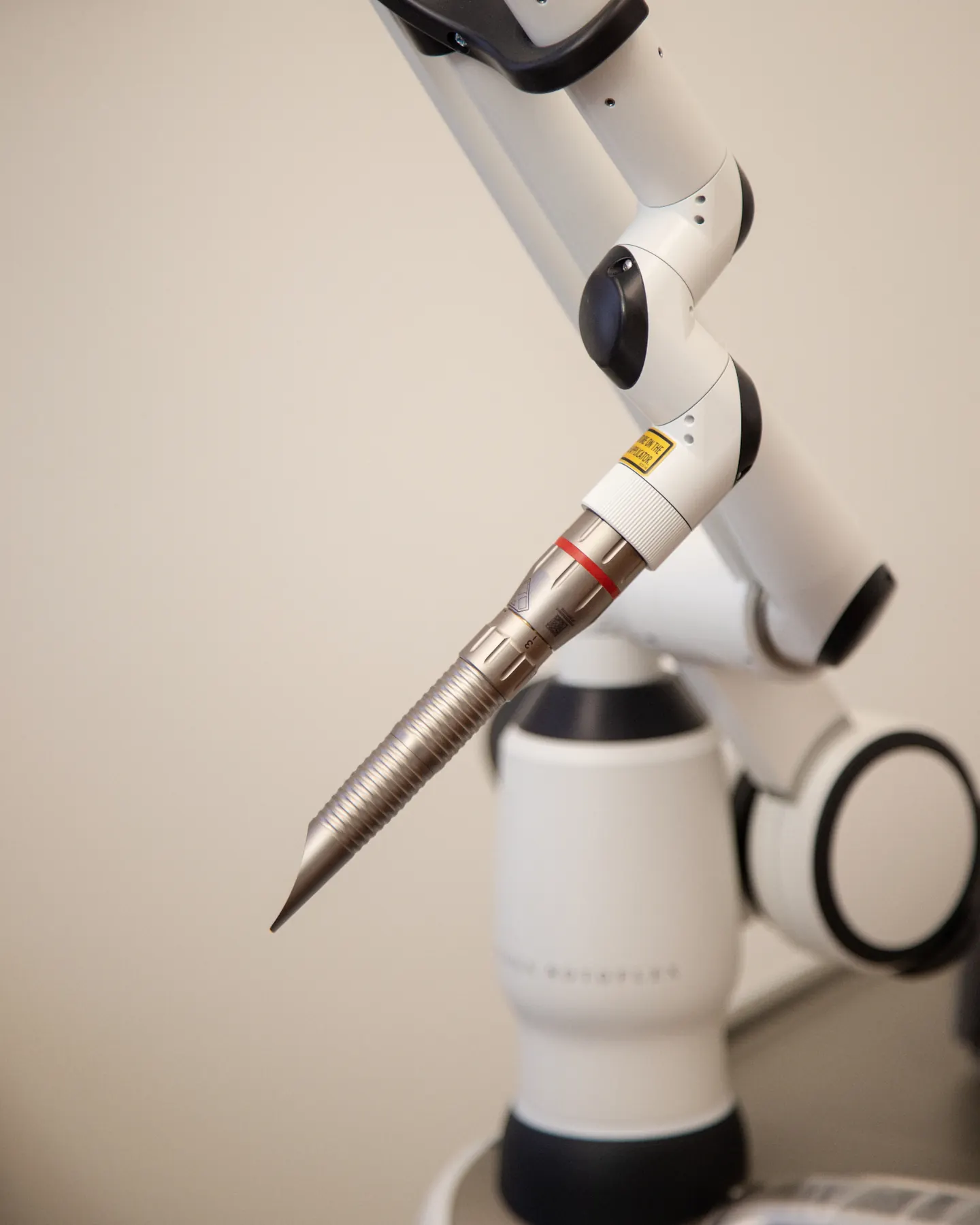
The easiest way to understand this treatment is to stop thinking of it as one laser pass and start thinking of it as a sequence. The Fotona platform uses erbium and Nd:YAG wavelengths in different ways, with each stage aimed at a slightly different problem. Some steps heat deeper tissue to stimulate collagen remodeling and improve firmness. Others target superficial irregularity and skin texture. One of the distinctive features is the intraoral component, where controlled heating is delivered from inside the mouth to support tissue around the perioral area and cheeks.
In practice, the treatment is trying to improve several visible concerns at once: skin that looks flat, enlarged pores, early sagging, fine lines, and a tired quality around the lower face. That multi-level approach is the reason many clinicians reach for it when a patient says, “I want to look better, but I do not want to look done.”
That said, no laser treatment can replace a surgical lift when there is significant laxity, and no collagen-stimulating procedure gives instant volume the way filler does. The strength of TimeWalker or Fotona 4D is not that it performs miracles. Its strength is that it can shift the overall quality of the face in a natural-looking way.
Why dull skin often needs more than exfoliation
A lot of people assume dullness is simply a surface issue. Sometimes it is. If skin is dehydrated, over-exfoliated, or coated with dead cells, even a modest peel and a better home routine can make a visible difference. But persistent tired-looking skin usually reflects deeper changes.
Collagen production slows with age. Microcirculation is less robust. Repeated sun exposure roughens texture and creates uneven pigment. The skin can become slightly looser around the mouth and jaw, which changes how light reflects off the face. When the architecture underneath loses firmness, the surface loses brightness too. That is why some patients spend months trying brightening serums and never quite get the “rested” look back.
In a clinic setting, this becomes obvious during consultation. The patient often points to “dullness,” but on exam you can see fine etched lines, mild lower-face descent, a softer jawline, and roughness around the cheeks. Those are not problems a topical antioxidant will fully solve. Treatments like the Fotona 4D Laser Facial (TimeWalker) are designed for this exact middle ground, not severe aging, not simple dryness, but the broad category of skin that is beginning to lose vitality.
What a session feels like
Experience varies by settings, provider technique, and individual sensitivity, but most patients tolerate it well without heavy downtime. The intraoral stage surprises people the most. It feels unusual rather than painful, a warm pressure from inside the cheeks, sometimes with brief sharper bursts depending on the settings. The external passes are often described as hot and prickly, especially in areas with thinner skin.
Topical numbing may or may not be used, depending on how aggressive the treatment is. In many practices, a lighter “lunchtime” version is done with minimal prep, while more intensive sessions are approached with better analgesia and more realistic downtime counseling. This distinction matters. Two clinics may both advertise Fotona 4D, but the actual treatment strength can be very different.
Immediately afterward, skin is usually pink to red and warm, similar to a strong workout or a moderate sun flush. Mild swelling, especially around the mouth and under the eyes, is common for a day or two. Some patients develop a sandpapery texture as the superficial skin renews. Makeup is often possible within a short window, though not always the same day if the skin feels particularly heated or sensitized.
Where the treatment tends to shine
The best results tend to happen in patients whose concerns are diffuse rather than dramatic. If someone wants brighter skin, finer pores, a little tightening, and a fresher lower face, this treatment can be a strong fit. If someone expects it to erase deep folds or lift heavy jowls, it will likely disappoint.
In day-to-day practice, the people who respond well usually share a few characteristics:
- They have mild to moderate skin laxity rather than advanced sagging.
- Their “dullness” includes texture change, enlarged pores, or fine lines.
- They prefer natural improvement over abrupt transformation.
- They are willing to do a series rather than judge the treatment after one session.
- They understand that maintenance matters.
That last point is often the deciding factor. Collagen remodeling is not a one-time event that freezes the clock. The result builds gradually and then needs upkeep. Patients who embrace that generally remain happier than those looking for a permanent reset.
The value of the intraoral step
One reason the Fotona 4D Laser Facial (TimeWalker) stands apart from standard resurfacing is the intraoral component. Treating from inside the mouth allows heating near the orbicularis oris region and buccal tissues without breaking the external skin surface in that area. Clinically, this can be useful for patients who have early softening around the nasolabial area, mild perioral wrinkling, or a slight collapse in cheek support that makes the face look tired.
This is not the same as replacing volume. If someone has true structural volume loss in the midface, filler or biostimulatory injectables may still be part of the conversation. But in patients who are not ready for injectables, or who do not want more product placed in the face, the internal heating approach can be appealing. It is subtle, but subtle is often exactly what these patients want.
It also tends to appeal to people who are uneasy about the “treated” look. They want to look less fatigued, not different. When laser tightening and surface polishing are combined in one session, the face often reads as healthier rather than altered.
Results, timing, and the patience factor
One of the common mistakes with any collagen-based treatment is evaluating too early. Some immediate brightening can happen quickly because of mild swelling and surface renewal, but the more meaningful changes develop over weeks to months. Skin may look smoother and more reflective within the first couple of weeks. Firmness and refinement often continue improving after that as collagen remodeling progresses.
For many patients, a series of three sessions spaced several weeks apart gives the clearest result. Others with milder concerns may do well with fewer treatments and occasional maintenance. Age, baseline skin quality, smoking history, sun exposure, and hormonal changes all affect the trajectory. A 38-year-old with early fatigue and good skin integrity may improve faster than a 58-year-old with years of photodamage and marked laxity.
This is where experienced counseling matters. Overpromising is easy in aesthetics. Realistic framing is harder but more useful. A good provider will explain that the treatment can improve brightness, texture, and mild laxity, but it will not create surgical definition or erase every line. Patients tend to appreciate that honesty, especially when the result unfolds naturally and matches what they were told to expect.
Downtime is “light” only when the settings are matched well
Laser marketing often leans heavily on phrases like no downtime or minimal downtime. That can be true in a broad sense, but it hides the fact that downtime exists on a spectrum. A lighter treatment may leave you pink for a few hours and dry the next day. A stronger session can mean visible redness, swelling, and rough texture for several days. Neither outcome is wrong. They are simply different versions of the same platform.
This matters if you are planning around work, social events, or photography. I have seen patients schedule treatment three days before an important event because they were told it was gentle, only to be unsettled by lingering redness and slight swelling. The skin often looks better within a week, but timing should still be respected. If an event is important, I usually advise more buffer than the brochure suggests.
Aftercare is not complex, but it does make a difference:
- Use a bland moisturizer and sun protection consistently.
- Avoid strong acids, retinoids, and scrubs until the skin has settled.
- Skip heat-heavy workouts, saunas, and steam for a short period if advised.
- Do not pick at rough or flaky skin while it renews.
- Report persistent swelling, blistering, or unusual discomfort promptly.
Most recovery issues are minor and self-limited, but aftercare discipline helps preserve comfort and results.
Who should be cautious
Not every patient is a candidate, and this is where professional judgment matters more than enthusiasm. Patients with active infection, certain inflammatory skin conditions, recent isotretinoin use depending on context and provider preference, or a history of problematic scarring need more careful assessment. So do patients with significant melasma, because any heat-based treatment can potentially aggravate pigment in the wrong setting.
Skin tone is another important consideration. Fotona systems can be used across a range of skin types, but the settings and treatment design must reflect melanin content and pigment risk. In darker skin, careless energy selection can trigger post-inflammatory hyperpigmentation. That does not mean the treatment is off the table. It means experience matters.
There is also the issue of expectation mismatch. Some people come in asking for “laser” when what they truly need is a better diagnosis. If the face looks tired because of under-eye hollowing, marked volume loss, or heavy lower-face descent, a laser-only plan may miss the main problem. Good aesthetic medicine is not about saying yes to the requested treatment. It is about identifying the bottleneck and treating that.
How it compares with other options for fatigued-looking skin
When patients are deciding between treatments, the confusion usually comes from comparing unlike things. A chemical peel, a microneedling series, an IPL session, and a Fotona 4D treatment may all live under the broad heading of “skin rejuvenation,” but they do not create the same endpoint.
Microneedling is often excellent for texture and mild acne scarring, especially when paired with the right adjuncts, but it generally offers less tissue tightening than a multi-mode laser program. IPL can be very helpful for redness and pigment in the right skin types, but it is not aimed at the same depth of collagen remodeling. Ablative resurfacing can deliver more dramatic textural change, but it comes with more downtime and a different risk profile. Injectables can replace volume or soften lines, but they do not improve overall skin quality in the same way.
The appeal of the Fotona 4D Laser Facial (TimeWalker) is that it sits in a versatile middle space. It can refresh the skin without the social downtime of more aggressive resurfacing, and it can address more than one layer at once. That does not make it the best choice for every face. It makes it a useful choice for the right pattern of concerns.
The treatment plan matters more than the machine name
A common trap in cosmetic dermatology is shopping by platform name alone. Patients ask for a specific laser because they saw a striking before-and-after online, but the machine is only part of the outcome. Settings, pulse structure, pass count, skin preparation, candidacy, and post-care all matter just as much.
Two practitioners can use the same Fotona device and produce very different results. One may focus on conservative rejuvenation with almost no downtime. Another may push stronger resurfacing parameters for a more visible texture shift. Neither is automatically better. The better approach is the one that fits the patient in front of them.
This is why a detailed consultation should cover more than just price and appointment length. It should include your skin history, pigment tendencies, history of herpes simplex if you are prone to cold sores, current Fotona 4D Laser Facial (TimeWalker) skincare, recent sun exposure, and what “looking less tired” actually means to you. For some people, that means brighter cheek skin. For others, it means less creasing around the mouth. Those are not always treated the same way.
What kind of improvement is realistic
The most believable results are often the ones no one can quite identify. Friends say you look rested. Makeup sits better. The skin catches light more evenly. Pores appear softer. The lower face looks a little firmer. You still look like yourself, just less depleted.
That kind of improvement sounds modest on paper, but it can be meaningful in real life. A person who has spent a year feeling that they look exhausted in every mirror often notices the change immediately, even if it would not register in a dramatic social media before-and-after. This is one reason satisfaction can be high despite the treatment not being “extreme.”
Still, there are limits. Deep marionette lines may soften but not disappear. Significant neck laxity usually needs a different or additional strategy. Longstanding pigment may require targeted treatment separately. Patients do best when they see Fotona 4D not as a magic wand, but as part of a larger skin-quality approach.
Building the result with good skin habits
Laser work gives you momentum, but maintenance is where the long-term value sits. A patient who treats sun protection casually and uses an irritating, inconsistent skincare routine will usually lose ground faster than someone who supports the result. This does not require a 10-step regimen. It requires steadiness.
Most people do well with a gentle cleanser, a moisturizer that protects the barrier, a daily broad-spectrum sunscreen, and one or two well-chosen active products once the skin has recovered. A retinoid, if tolerated, remains useful for long-term texture and fine-line support. Vitamin C can help brightness in some routines, though not every skin type loves it. The point is not maximal product layering. The point is preserving the gains.
Lifestyle matters too. Smoking, poor sleep, heavy alcohol use, and chronic stress all show up in the skin. Those factors do not make laser treatments pointless, but they do influence how durable the improvement will be. A tired face is often partly a skin issue and partly a life issue. Good care works best when both are acknowledged.
When I would recommend it, and when I would not
If a patient in their late 30s to early 60s comes in with skin that looks fatigued, mildly lax, texturally uneven, and less vibrant than it used to, I can see the logic of the Fotona 4D Laser Facial (TimeWalker). It is particularly appealing for someone who wants visible but not obvious change, has limited tolerance for downtime, and is open to a staged plan.
I would be less enthusiastic if the dominant issue were severe sagging, heavy lower-face tissue, advanced etched wrinkles requiring stronger resurfacing, or pronounced hollowing better addressed with volume restoration. I would also pause in anyone with unstable pigment issues unless there was a clear strategy to manage risk.
That is the larger truth with aesthetic treatments. The best procedure is rarely the one with the loudest branding. It is the one that fits the biology of the skin, the anatomy of the face, and the expectations of the person seeking care.
For dull, tired skin, that fit can be excellent. The treatment will not turn back every clock, but it can restore something people often miss before they know how to name it: liveliness. The skin reflects light better. The face appears less burdened. You look more awake, more polished, more like yourself on a good day. For many patients, that is exactly the point.
OMNIA Wellness Center
Address: 16430 Ventura Blvd Ste 207, Encino, CA 91436
Phone: (818) 386-8511
FAQ About Fotona 4D Laser Facial (TimeWalker)
What are the benefits of Fotona laser treatment?
OMNIA offers this treatment for concerns such as uneven texture, dull tone, and fine lines. Results and the number of sessions vary, so discuss your goals with a provider.
Is Fotona laser safe?
A qualified provider should review your skin, medical history, medications, and recent sun exposure to determine whether the treatment is appropriate. Ask about possible irritation, pigment changes, and aftercare before booking.
How much does a Fotona 4D facelift cost?
Price depends on the treatment plan and number of visits. Ask OMNIA for an itemized estimate during your consultation.
Ends · KAMERONQQDH451