Can Fotona 4D Laser Facial (TimeWalker) Help With Sagging Skin in Encino, CA?
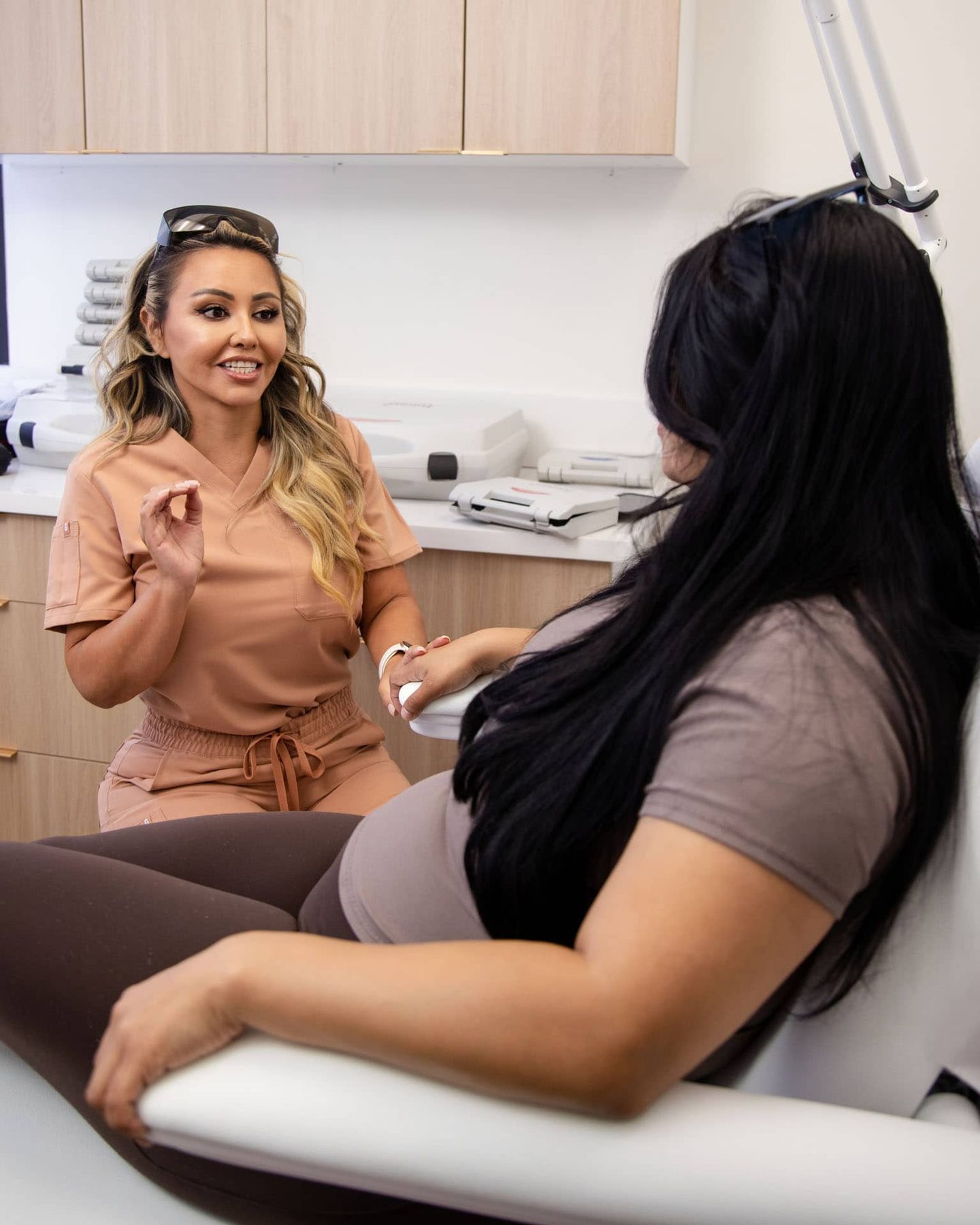
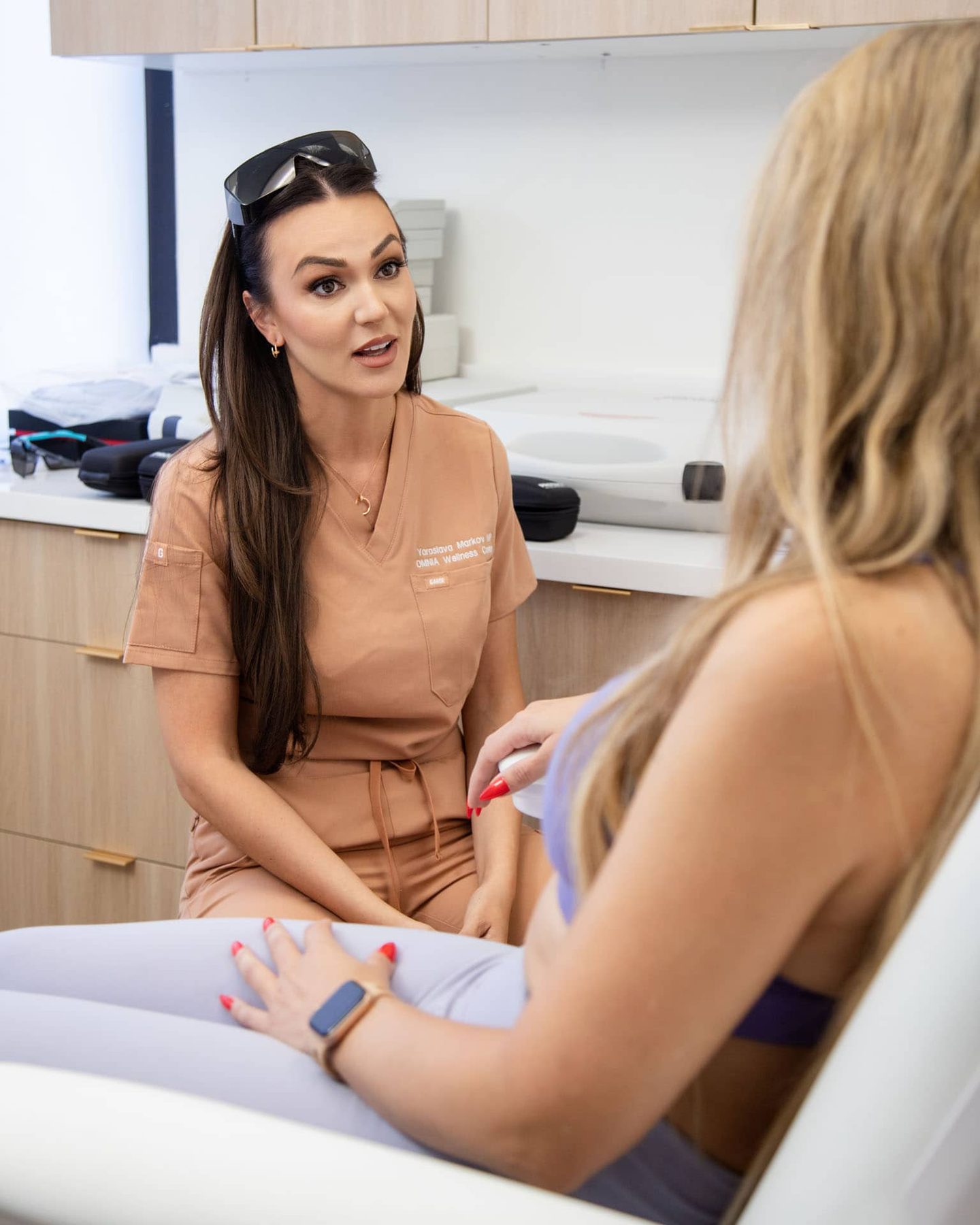
Sagging skin rarely shows up all at once. Most people notice it in stages. The lower face starts to feel less defined in photos. Makeup sits differently along the cheeks. The jawline softens. Smile lines seem deeper, not because the folds suddenly appeared, but because the tissue around them is no longer as firm or as well supported.
That is usually the moment when patients start looking beyond topical skincare. Creams can help with texture and hydration, and diligent sunscreen absolutely matters, but neither will lift tissue that has gradually lost collagen, elastin, and structural support. This is where laser-based tightening treatments enter the conversation, including the Fotona 4D Laser Facial, often associated with the TimeWalker platform.
For patients asking about Fotona 4D Laser Facial (TimeWalker) Encino, CA, the real question is not whether the treatment is impressive on paper. The better question is whether it can meaningfully improve sagging skin, for the right person, with realistic expectations. In many cases, yes, it can help. The important part is understanding how much help it offers, who tends to benefit most, and where its limits begin.
What sagging skin actually means
People use the phrase “sagging skin” to describe several different concerns. That matters, because not all laxity responds the same way to the same treatment.
Sometimes the issue is early loss of firmness. The skin still looks healthy, but it no longer feels as taut as it did a few years ago. Sometimes the problem is volume loss in the midface, which creates a heavier look lower down even if the skin itself is not dramatically loose. In other cases, gravity, repetitive expression, sun exposure, and age-related collagen decline all combine to produce visible jowling, neck laxity, and deeper folds around the mouth.
A laser treatment can improve skin quality and stimulate remodeling, but it does not replace lost volume in the way filler can, and it does not physically reposition deeper tissue in the way surgery does. That distinction is where good consultations start. If a provider treats every version of “sagging” as the same problem, the outcome often disappoints.
How Fotona 4D works in practical terms
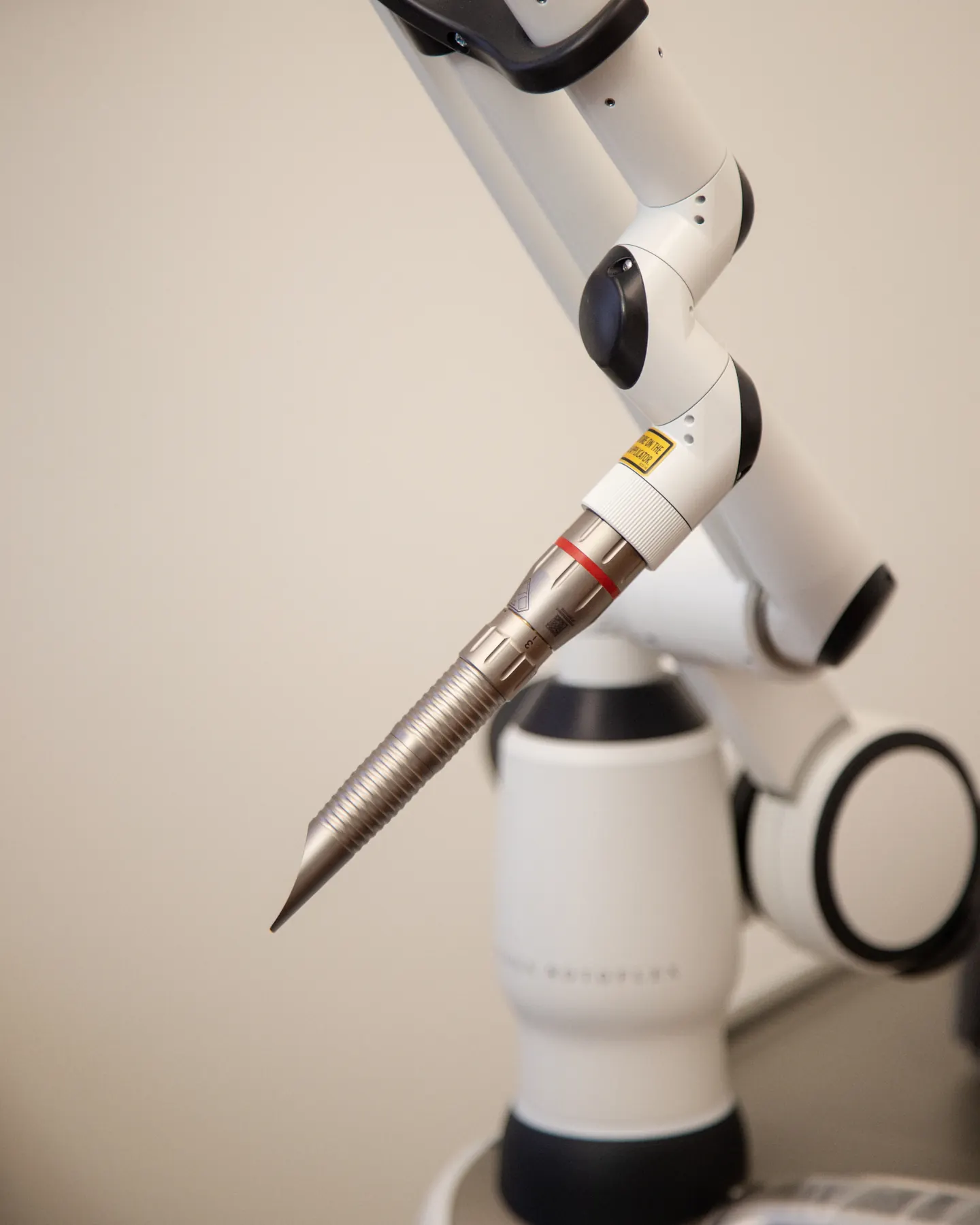
Fotona 4D is designed as a multi-step, multi-depth laser rejuvenation treatment. Depending on the specific protocol and platform settings, it typically combines internal and external laser passes to target the skin from different angles and at different depths. One of the more distinctive features is the intraoral component, where laser energy is delivered inside the mouth along the cheek area to heat tissue and encourage tightening from within. Then external passes address superficial and deeper layers of the skin.
That sounds technical, but the practical goal is fairly straightforward: create controlled thermal stimulation that encourages collagen remodeling and tissue tightening without surgery.
The appeal lies in the layered approach. Rather than relying on a single pass or a single wavelength to do everything, the treatment attempts to address texture, tone, mild laxity, and overall firmness in one session series. For the right patient, that can translate to skin that looks tighter, smoother, and a bit more lifted, especially through the cheeks, nasolabial area, and jawline.
It is not a facelift in disguise. It is also not just a facial in the spa sense of the word. It sits in that middle space that many patients want, more effective than a superficial treatment, less invasive than surgery.
Can it really help with sagging skin?
For mild to moderate skin laxity, it often can.
That answer may sound restrained, but restraint is exactly what is needed with any energy-based tightening treatment. The best outcomes tend to come from patients who are starting to see soft tissue descent and collagen loss, but who do not yet have heavy jowls, very loose neck skin, or significant lower face volume collapse. In those earlier stages, Fotona 4D can support firmer skin quality and modest tightening in a way that looks refreshed rather than obviously treated.
The improvements usually build over time. Some people notice an early glow or subtle firmness within days to weeks, mostly from transient tightening and improved skin surface quality. The more meaningful change tends to develop gradually over the following months as collagen remodeling unfolds. That slower arc is one reason patient selection matters. If someone wants dramatic correction before a wedding in two weeks, this may not be the right standalone answer.
When I hear that a patient is bothered by “sagging,” I usually want to know what bothers them most when they look straight ahead in natural light. If the complaint is “my skin looks tired and less firm,” laser tightening often makes sense. If the complaint is “my jowls hang over my jawline and I want them gone,” the conversation needs more nuance.
Why Encino patients often ask for this treatment
Encino patients are not unique in wanting non-surgical rejuvenation, but local lifestyle does shape treatment priorities. Many people in the San Fernando Valley spend years dealing with cumulative sun exposure, heat, outdoor exercise, and the kind of bright daylight that reveals every little change in skin texture and elasticity. Even patients who have been diligent with sunscreen often come in with a mix of early laxity, pigment, roughness, and fine wrinkling.
That combination is part of why treatments like Fotona 4D Laser Facial (TimeWalker) Encino, CA attract attention. Patients are not always looking for one dramatic intervention. Often they want a way to improve firmness and skin quality while keeping downtime manageable enough for work, school events, social plans, or camera-facing professional lives.
In areas like Encino, that “I want to look better, but not obviously done” goal is common. A treatment that can offer progressive improvement rather than abrupt change fits that mindset well.
What kind of result is realistic
The most realistic description is this: expect refinement, not reinvention.
A good response to Fotona 4D can mean the cheeks look a bit more supported, the lower face appears less tired, lines around the mouth soften, and the skin overall seems tighter and more polished. Friends may say you look rested or ask if you changed your skincare. That is usually the sweet spot.
The treatment is less convincing for advanced laxity. If skin hangs noticeably, Fotona 4D Laser Facial (TimeWalker) Encino, CA if deeper fat pads have shifted substantially, or if the neck has prominent banding and loose tissue, a laser facial alone usually will not deliver the level of lift a patient is hoping for. In those situations, the best care often involves a broader plan, sometimes combining injectables, other energy-based treatments, or a surgical referral when appropriate.
Patients appreciate honesty on this point. Overselling non-surgical tightening is one of the fastest ways to lose trust.
Who tends to be a strong candidate
The strongest candidates usually share a few traits:
- mild to moderate skin laxity
- early jowl formation rather than heavy jowls
- interest in gradual, natural-looking improvement
- willingness to complete a series if recommended
- realistic expectations about non-surgical results
Age alone does not determine candidacy. A person in their late thirties with visible collagen loss and sun damage may benefit more than someone older whose concern is mainly volume depletion. Skin quality, degree of laxity, anatomy, and treatment goals matter more than the birthday on the chart.
This is also a treatment that tends to appeal to patients who do not want injectables as their first step, or who already use neuromodulators and filler but omniawellnesscenterencino.com Fotona 4D Laser Facial (TimeWalker) Encino, CA want something that addresses skin quality and firmness more directly.
What the treatment feels like
Experiences vary by settings, provider technique, and individual sensitivity, but most patients tolerate it reasonably well. The intraoral portion feels unusual more than painful. External passes often produce heat and a prickling sensation. Some offices use topical numbing, chilled air, or other comfort measures depending on the protocol.
Afterward, skin may look pink or slightly flushed, similar to a moderate workout or a day in the sun, though the degree can vary. Some patients have minimal visible downtime, while others stay red for a day or two. A sandpapery texture or dryness can occur temporarily as the skin recovers. Most people can resume normal routines fairly quickly, but “no downtime” is not a promise I would make universally. Even well-tolerated laser treatments can provoke a few days of social downtime in more reactive skin.
How many sessions are usually needed
That depends on the degree of laxity and the treatment plan chosen by the provider. A series is common. Some patients do best with several sessions spaced over weeks, then maintenance treatments later. Others may see enough improvement from one session to repeat only periodically.
Anyone comparing options should ask not just for the price per session, but for the likely number of sessions needed to reach the provider’s projected outcome. A lower single-session price can become less attractive if the protocol realistically requires multiple visits. On the other hand, patients who value gradual change often prefer that pacing because it integrates more naturally into daily life.
The limits no one should gloss over
This is where mature judgment matters. Fotona 4D can be a very useful treatment, but it has boundaries.
First, it does not remove excess skin. If there is true skin redundancy, only surgery can physically excise it.
Second, it does not replace lost facial volume. If the face looks hollow through the temples or cheeks, tightening alone may sharpen some areas but leave the overall imbalance untouched.
Third, it does not freeze the aging process. Good results still need maintenance, sun protection, and often a broader long-term strategy.
Fourth, results are not identical across all skin types and all providers. Device quality matters, but the person choosing the settings and treatment plan matters just as much. Two offices can offer the same branded treatment and produce very different experiences.
Finally, there is a difference between visible improvement and dramatic correction. For many patients, visible improvement is exactly the goal. For others, especially those who have delayed treatment until laxity is more advanced, visible improvement may still feel underwhelming relative to what they want.
Safety and skin type considerations
Laser treatments always deserve a careful skin assessment, especially in patients with a history of pigmentation issues, melasma, active breakouts, cold sores, recent tanning, or use of medications that affect healing or photosensitivity. Darker skin tones can often be treated successfully with the right approach, but that does not mean every protocol is appropriate for every person. Settings, timing, and pre- and post-care all matter.
A thoughtful provider will ask about prior laser experiences, recent peels, retinoid use, and any tendency toward hyperpigmentation or prolonged redness. That history often predicts more than people realize.
For patients in sunny climates, timing also matters. If someone has just returned from a beach vacation or spends long stretches outdoors for tennis, hiking, or pool time, it may be better to postpone rather than treat skin that is recently sun-exposed or likely to be difficult to protect during healing.
How it compares with other ways to address laxity
Fotona 4D occupies an interesting lane. It is more active than a standard facial or superficial peel, but it is not the same category as a facelift. Compared with microneedling, it may offer a different type of thermal stimulation and tightening profile. Compared with radiofrequency or ultrasound-based tightening, it has its own feel, recovery pattern, and treatment philosophy.
What matters more than brand loyalty is matching the tool to the problem. If a patient mainly has crepey texture around the mouth, one treatment path may make more sense. If the dominant issue is jawline heaviness, another may be better. Sometimes the best plan is a combination, such as laser for skin quality and injectable support where volume loss is contributing to the appearance of sagging.
That combination mindset often yields stronger results than searching for one magic treatment.
Why consultation quality matters more than marketing
The words “4D,” “lift,” and “tightening” are powerful marketing language. They also create expectations that need translation. A worthwhile consultation should move past broad promises and get specific.
A good provider should be able to explain where your laxity is coming from, how much of it is skin versus deeper tissue descent, what degree of improvement is realistic, and whether the treatment should stand alone or be part of a larger plan. They should also discuss recovery honestly, including redness, swelling, temporary dryness, and the possibility that results may be subtle rather than dramatic.
This is especially important for patients who arrive with a photo in hand and want to look “lifted.” Lift can mean different things to different people. For one person, it means smoother lower cheeks. For another, it means a crisp jawline that non-surgical treatment is unlikely to create on its own.
Questions worth asking before booking
If you are exploring Fotona 4D Laser Facial (TimeWalker) Encino, CA, a consultation goes better when you ask direct questions. A few are especially useful.
- Am I a good candidate for this treatment based on my degree of laxity?
- How many sessions do you think I would realistically need?
- What kind of improvement do patients like me usually notice?
- What downtime should I plan for, not the best-case scenario, but the typical one?
- Would another treatment, or a combination approach, make more sense for my goals?
These questions do two things. They help you assess the treatment, and they help you assess the provider. Clear, measured answers are a good sign. Vague enthusiasm without specifics usually is not.
What patients often like most about it
When patients are happy with Fotona 4D, the appreciation usually goes beyond “my skin is tighter.” They often mention that their face looks fresher without looking altered. The improvement can be difficult for others to identify, which many people see as a benefit. Their reflection simply looks less drawn.
Another advantage is versatility. People who are not ready for surgery, or who want to support results between more intensive treatments, often appreciate having an option that addresses both skin quality and early laxity. That middle ground matters. Not everyone needs the strongest possible intervention. Many just need a smart one.
The bottom line for sagging skin in Encino
Yes, Fotona 4D can help with sagging skin, particularly when the concern is mild to moderate laxity rather than advanced tissue descent. It works best for patients who want progressive tightening, improved skin quality, and a natural look, and who understand that “help” does not mean “replace surgery.”
For the right Encino patient, that can be a very worthwhile trade. The treatment may soften the tired, slack look that begins around the cheeks, mouth, and jawline, while keeping recovery relatively manageable. For the wrong patient, especially someone with significant jowling or excess skin, it can feel like too little change for the investment.
That is why the most valuable part of the process is not the device name. It is the quality of the evaluation. When the diagnosis is precise and the expectations are grounded, Fotona 4D has a legitimate role in treating sagging skin. When it is sold as a universal fix, it often disappoints.
If your skin feels less firm than it used to, but you are not ready for surgery and want a polished, believable improvement, this is one of the more reasonable options to explore. The key is making sure the treatment matches your face, not just the trend.
OMNIA Wellness Center
16430 Ventura Blvd Ste 207, Encino, CA 91436
Phone: +1 818-386-8511
FAQ About Fotona 4D Laser Facial (TimeWalker) Encino, CA
What is a Fotona laser good for?
Fotona lasers support several different aesthetic protocols. The Fotona 4D facial uses two wavelengths and four treatment modes to address concerns such as fine lines, skin texture, and mild laxity. OMNIA Wellness Center offers the TimeWalker facial with an individual consultation. Suitability and likely improvement depend on the person's skin and goals; results are not guaranteed, and this treatment does not reproduce a surgical facelift.
How much does a Fotona laser treatment cost?
The cost depends on the treatment protocol, areas treated, number of sessions, and provider's assessment. Ask OMNIA Wellness Center for a current written quote that explains what is included, whether follow-up is included, and any proposed package terms. An individualized estimate is more useful than assuming that one advertised price applies to every facial treatment.
How much downtime is there after a Fotona laser procedure?
Recovery varies with the specific protocol and intensity. Fotona describes its 4D facial as having little to no downtime, but temporary redness or sensitivity can occur, and a stronger surface treatment can require more recovery. Ask the treating clinician what to expect from the planned settings, how to care for the skin afterward, and when to contact the clinic with concerns.
Ends · KAMERONQQDH451